Why Concert Films Are Having a Massive Renaissance Right Now
Concert films used to feel like souvenirs: something for committed fans who wanted a professionally shot version of a night they'd already attended, or wished they had.

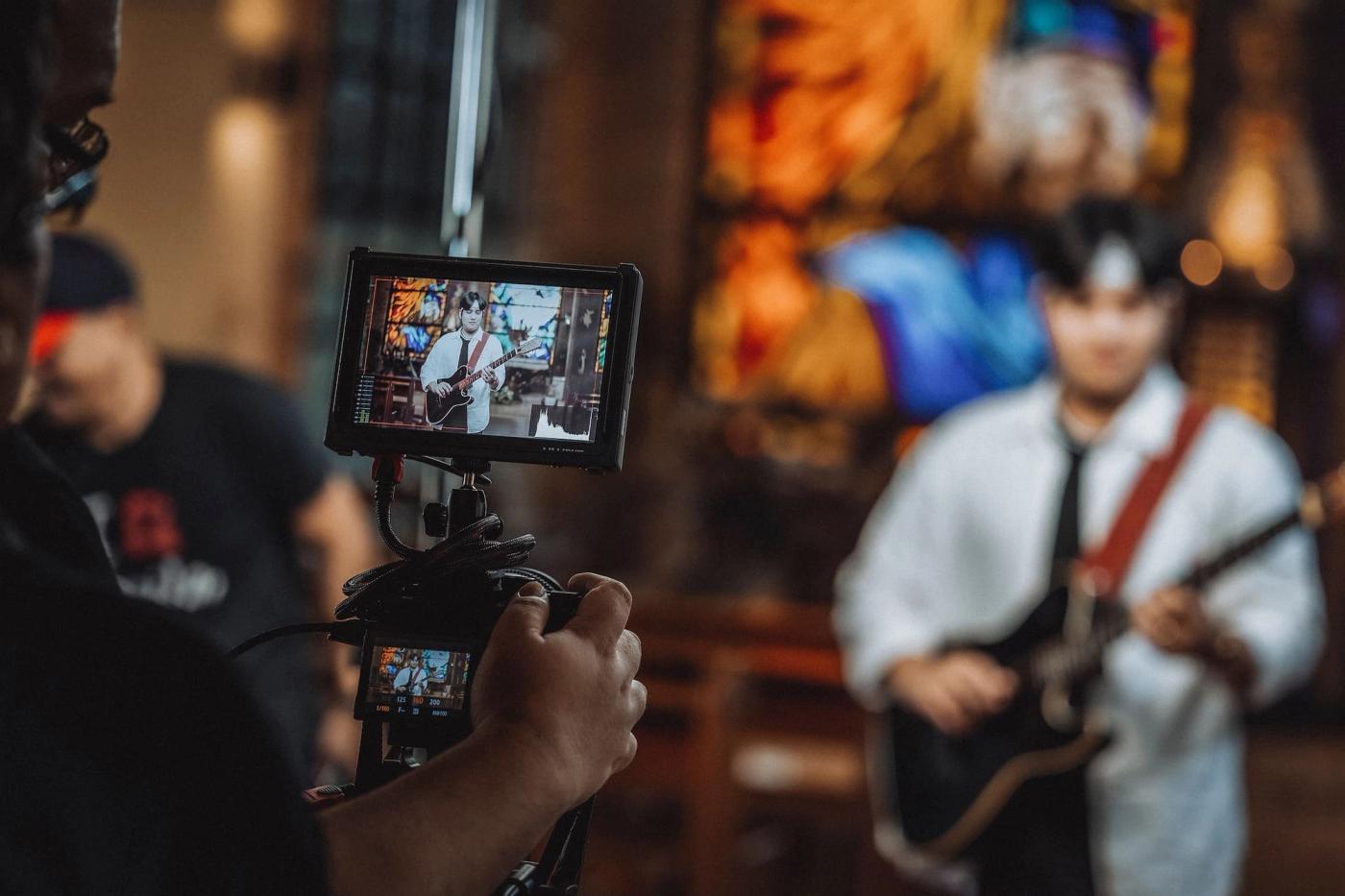
Concert films used to feel like souvenirs: something for committed fans who wanted a professionally shot version of a night they'd already attended, or wished they had. Now they're becoming theatrical events in their own right, pulling serious box office, attracting major filmmakers and giving cinemas something streaming can't quite reproduce: thousands of people experiencing the same music together.
Taylor Swift proved how large that audience could be. Beyoncé showed the model wasn't a one-off. And in 2026, Billie Eilish and James Cameron pushed the format somewhere even more ambitious.
Taylor Swift Changed the Business Model
The turning point arrived in October 2023 with Taylor Swift: The Eras Tour. The film didn't creep into cinemas as a niche music release. It arrived like a blockbuster.
It eventually earned more than $261 million worldwide, passing Michael Jackson's 2009 film This Is It to become the highest-grossing concert film and documentary at the global box office. That's a huge number for a movie built around footage of a tour millions of fans had already watched through shaky phone videos online.
But the money only explains part of what happened. Swift and her team worked directly with AMC Theatres Distribution, giving the release a sense of control and immediacy that looked different from the traditional studio route. The screenings also behaved differently from normal movies. Fans dressed up, traded friendship bracelets, sang along and treated the cinema as an extension of the concert.
In other words, the theater wasn't merely showing the event. It became part of it.
That idea had enough staying power that Swift returned to AMC for The Official Release Party of a Showgirl in 2025, an 89-minute theatrical event scheduled across more than 8,000 cinemas in over 110 territories. Concert-adjacent cinema had gone from experiment to repeatable strategy.
Beyoncé Proved There Was More Than One Way to Do It
Two months after The Eras Tour arrived, Renaissance: A Film by Beyoncé opened in December 2023. It earned approximately $44 million worldwide, including nearly $34 million in North America. Those numbers were smaller than Swift's, but comparing the two purely as box-office competitors misses what Beyoncé's film did well.
Renaissance mixed concert footage with behind-the-scenes material about the tour's creation, rehearsals and production. The result played less like the best seat in the stadium and more like access to the machinery behind the show.
That's important because it gives artists options. A concert film can preserve a performance almost exactly as audiences experienced it, or it can become a documentary about how that performance was built. You can go for scale, intimacy or both.
And for fans who couldn't get tickets, couldn't afford them or lived nowhere near a tour stop, the appeal is obvious. A cinema ticket doesn't reproduce the feeling of being ten rows from the stage. But a giant screen, loud sound system and packed audience can get considerably closer than watching clips on your phone.
Now Major Filmmakers Are Treating the Format Seriously
The clearest sign that concert movies have moved beyond filmed-tour souvenirs came in May 2026. Billie Eilish teamed with Titanic and Avatar director James Cameron for Hit Me Hard and Soft: The Tour (Live in 3D), with Eilish and Cameron sharing directing duties.
The film was captured with 17 cameras during Eilish's Manchester performances and released theatrically on May 8, 2026. It runs 114 minutes and was designed for immersive 3D presentation.
That combination says plenty about where the genre is heading. Cameron isn't a filmmaker you bring in because you need someone to point cameras at a stage. His involvement makes the presentation itself part of the attraction.
And 3D makes particular sense for concerts. Stage design, lighting, crowds and performers moving through large spaces already have visual depth built into them. Give a filmmaker the equipment and budget to capture that properly, and you're offering audiences something YouTube uploads and TikTok clips can't match.
Miley Cyrus took another route with 2025's Something Beautiful, a visual companion to her album that received limited theatrical screenings before moving to Disney+ and Hulu. Its brief cinema run showed how flexible the category has become: these releases don't necessarily need months in multiplexes to feel like events.
Why Concert Films Fit This Moment
Streaming made almost every song instantly accessible. Weirdly, that may be one reason live music feels more valuable.
When you can hear an album anywhere, the scarce thing becomes the shared experience around it. Concert tickets provide that, but huge tours are expensive, geographically limited and frequently difficult to get into. Concert films sit in the middle.
They're accessible enough for casual fans while still offering committed fans a reason to leave home. Cinemas benefit too. A packed screening full of people singing along is something your television can't reproduce, no matter how large it is.
Artists also gain another way to extend a tour's lifespan. A show that took years to design no longer disappears when the trucks leave the final stadium. It can become a theatrical release, a streaming title and a permanent record of a specific era in an artist's career.
Why You Should Care
You don't need to own tour merchandise or know every B-side to benefit from this trend. Better concert films mean you can see expensive, elaborate live productions for a fraction of the ticket price, often with camera positions you'd never get from an actual seat.
More importantly, filmmakers are starting to ask what cinema can add to a concert rather than simply how accurately it can record one. That's where things get interesting.
What to Watch Next
Start with Taylor Swift: The Eras Tour (2023) if you want to understand the commercial force behind the current boom. Then watch Renaissance: A Film by Beyoncé (2023) for a more backstage-focused approach to the stadium spectacle.
After that, try Billie Eilish: Hit Me Hard and Soft: The Tour (Live in 3D) (2026). Cameron and Eilish's collaboration points toward the next phase, where concert films aren't consolation prizes for missing the tour. They're becoming shows worth making specifically for the screen.

Craig Anderson
Author at SofaBreak — writing on media news and everyday curiosities.