Why Film Score Composers Are Finally Getting the Recognition They Deserve
For decades, film composers occupied a strange position in Hollywood: millions of people knew their music, but far fewer knew their names.

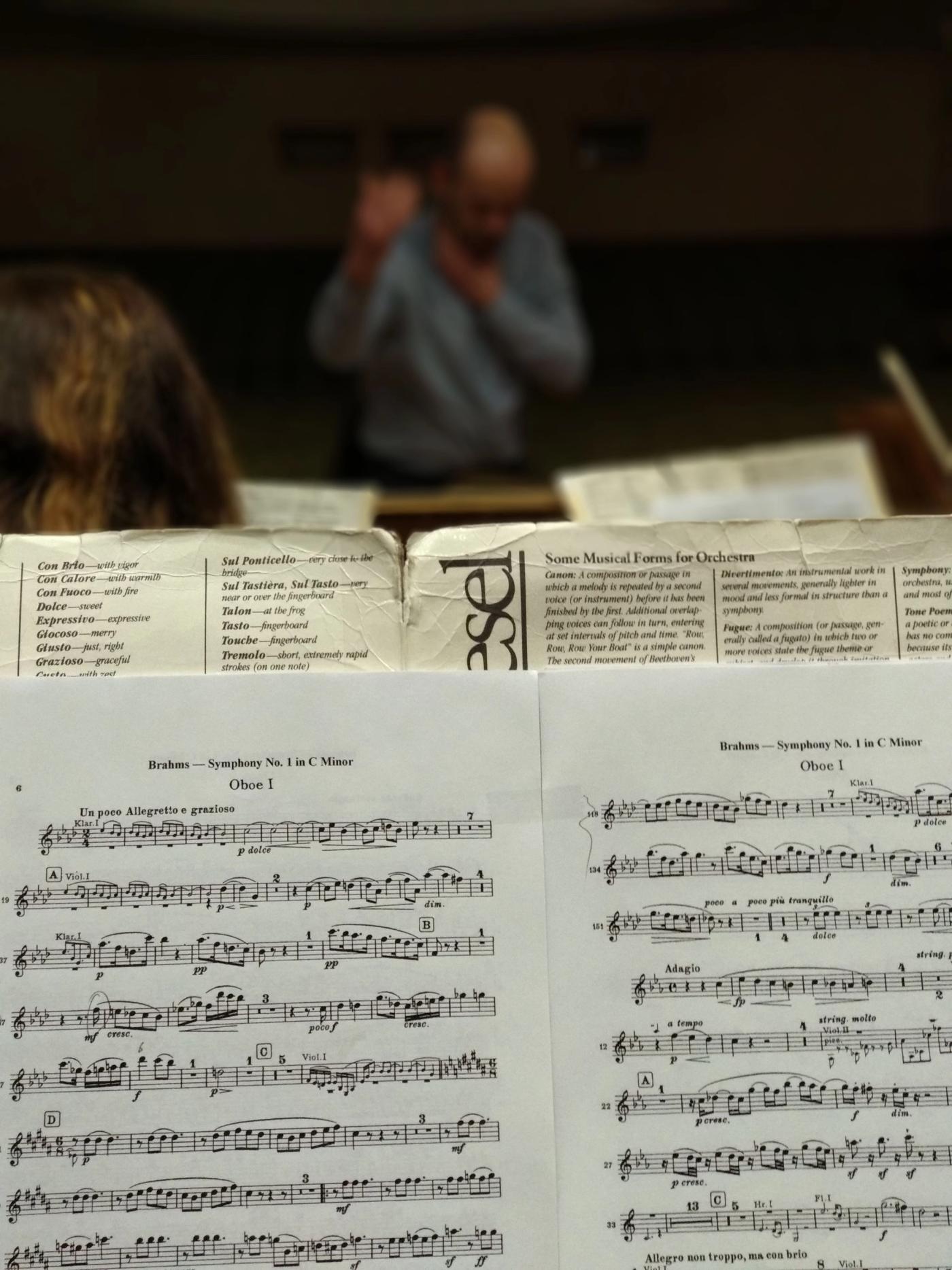
For decades, film composers occupied a strange position in Hollywood: millions of people knew their music, but far fewer knew their names. That’s changing. Concert tours, streaming playlists, high-profile collaborations and scores that become cultural events of their own are pushing composers out of the credits and into the spotlight.
The Score Is Becoming Part of the Main Event
Think about the last time a movie score escaped the movie.
Hans Zimmer’s music for Dune: Part Two didn’t simply sit behind sandworms and Timothée Chalamet staring meaningfully across Arrakis. The 2024 score became part of the conversation around the film, especially Zimmer’s use of huge percussion, distorted textures and the love theme connecting Paul and Chani.
There was even an unusual awards wrinkle. Zimmer won the Academy Award for Dune in 2022, but his Dune: Part Two score wasn’t eligible for the same category because Academy rules limited how much music could be carried over from an earlier film.
And audiences increasingly know who Zimmer is.
His live shows turn film music into something closer to an arena gig, with suites from Gladiator, The Dark Knight, Interstellar and The Lion King performed far away from the movies that introduced them. A composer becoming the headline attraction would once have sounded niche. Zimmer can fill arenas doing it.
But he’s hardly alone.
Ludwig Göransson won Oscars for Black Panther and Oppenheimer, released in 2018 and 2023 respectively. Hildur Guðnadóttir’s unsettling cello-heavy work on 2019’s Joker won her an Oscar too. Trent Reznor and Atticus Ross have moved comfortably between Nine Inch Nails and prestige cinema, winning Academy Awards for The Social Network and Soul.
Those names increasingly carry expectations before you’ve heard a single note.
Streaming Changed How You Hear Film Music
Movie scores used to have a fairly obvious home: the movie.
Yes, soundtrack albums existed, and devoted fans bought them. But streaming has made scores dramatically easier to encounter as everyday music. Search for study, reading, focus or instrumental playlists and you’ll quickly find film and TV compositions sitting alongside ambient and classical tracks.
That changes your relationship with the composer.
Joe Hisaishi’s music for Studio Ghibli films works perfectly well without Totoro or a moving castle on screen. Nicholas Britell’s Succession theme became instantly recognisable because viewers heard it week after week, but it also works as a ridiculously grand piece of music for making coffee on a Monday morning.
Then there’s Interstellar. Zimmer’s 2014 score, built around organ, strings and an obsessive sense of momentum, has developed a second life through streaming, social video and live performances. You don’t need to remember the mechanics of Christopher Nolan’s time dilation to recognise those opening chords.
The old distinction between “film music” and music you deliberately choose to hear is getting weaker.
Composers Are Developing Fanbases of Their Own
John Williams was famous long before streaming existed, and Ennio Morricone could sell concert tickets on the strength of his name. Composer celebrity isn’t new.
The scale and visibility are.
Social media gives you thousands of clips separating famous scenes from their scores, recreating themes on piano or explaining how a few notes can change the emotional meaning of an entire sequence. Meanwhile, concerts let composers present work without actors, dialogue or visual effects competing for your attention.
That’s when you realise how much heavy lifting the music was doing.
Take Göransson’s score for Oppenheimer. The film earned approximately $976 million worldwide, an extraordinary figure for a three-hour historical drama about a theoretical physicist. Nolan’s filmmaking deserved much of the attention, but Göransson’s anxious strings and relentless rhythmic pulses are welded to the movie’s identity.
Try imagining the Trinity test sequence with generic suspense music. It loses something immediately.
And recognition matters because scoring has changed too. Modern composers might work with orchestras, synthesisers, manipulated recordings, unusual instruments and musicians from specific traditions. Göransson travelled to Africa while developing the sound of Black Panther, working with Senegalese musician Baaba Maal and other performers rather than simply reaching for Hollywood’s idea of what African music should sound like.
That work deserves more than “nice soundtrack” in the review.
Why You Should Care
You don’t need to know a viola from a violin to start paying attention to composers. Knowing who wrote the score gives you another way to find movies you’ll probably enjoy, just as following a director, actor or cinematographer does.
And once you start noticing the music, familiar films can feel different. Watch a tense scene and ask yourself what happens if you mentally remove the score. Sometimes you’ll discover that half the performance you thought you were watching was happening through your speakers.
What to Watch Next
Start with Oppenheimer if you want to hear Ludwig Göransson turn anxiety into rhythm. The 2023 film uses music so aggressively that silence itself starts feeling suspicious.
Then try Spirited Away, Hayao Miyazaki’s 2001 animated classic, and pay attention to Joe Hisaishi’s piano-led score. It’s gentler than the blockbuster examples, but just as important to the emotional architecture of the film.
Finally, revisit Interstellar. Ignore the arguments about the ending for one evening and listen to what Zimmer is doing with the organ, especially during the docking sequence. The music doesn’t decorate the action. It controls your pulse.
For years, composers helped make movie stars look heroic, monsters feel terrifying and fictional worlds seem real while their own names rolled past as audiences headed for the exit.
Now more of us are staying for the music.

Craig Anderson
Author at SofaBreak — writing on media news and everyday curiosities.