Why Indie Games Are Beating AAA Studios at Their Own Game
The biggest conversations in gaming right now aren't always about the biggest budgets.
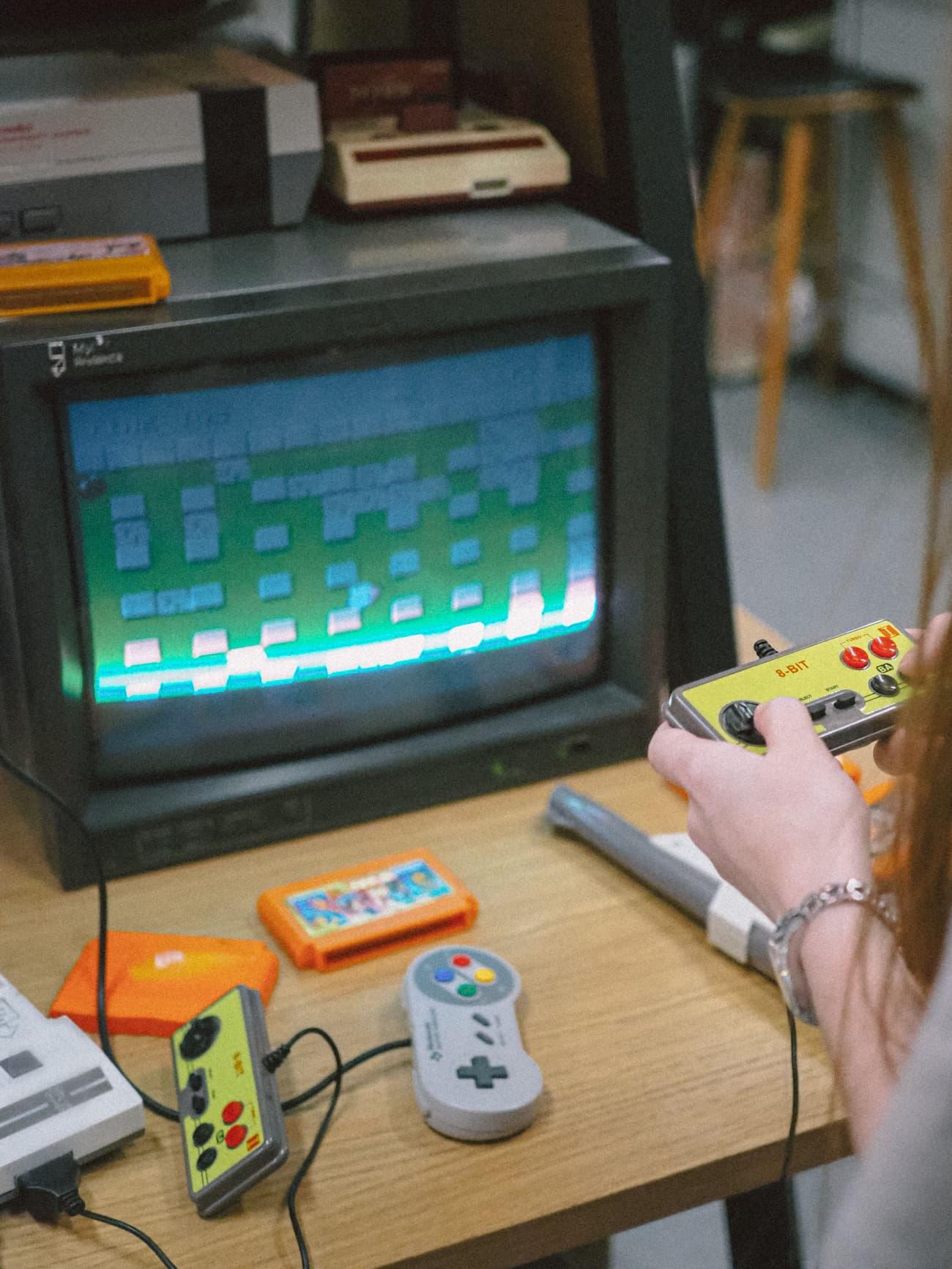
The biggest conversations in gaming right now aren't always about the biggest budgets. While major publishers pour hundreds of millions into blockbuster releases, many of the games capturing players' attention are coming from smaller teams with tighter resources and sharper ideas.
That's not because AAA games have suddenly forgotten how to entertain. It's because indie developers have become better at delivering what players actually want: originality, focus, and experiences that feel made by people rather than committees.
Players Are Rewarding Risk
A decade ago, indie games were often treated like charming side dishes next to the expensive main course. That's changed. Some of the most talked-about releases of recent years have come from studios small enough to fit into a conference room.
Take Balatro. Released in 2024 by solo developer LocalThunk, the poker-inspired roguelike became one of the year's breakout hits. It earned a score of 90 on Metacritic and sold more than one million copies within its first month, approximately. A card game with retro visuals somehow became the obsession of players who normally spend their time in sprawling open worlds.
Then there's Hades from Supergiant Games. After launching in full in 2020 following an early access period, it won multiple Game of the Year awards and currently sits at a 93 Metacritic score. Players praised its fast combat and the way it turned repeated failure into part of the story rather than a punishment.
People aren't lowering their standards for indie games. They're raising them, and indie studios keep meeting the moment.
A big reason is freedom. Smaller teams don't have to justify massive budgets to shareholders, which means they can take creative swings that larger companies often avoid.
The Cost of Playing It Safe
AAA development has become expensive enough to make even successful publishers nervous.
According to court documents and industry reporting, major releases like The Last of Us Part II reportedly cost more than $200 million to produce. Recent blockbuster projects can stretch across five or six years of development. When that much money is on the line, experimentation starts looking less appealing.
You can see the results. Live-service ambitions appear in genres that never asked for them. Familiar franchises lean heavily on established formulas. Sequels become safer because missing sales targets can lead to layoffs and studio restructuring.
Players notice.
The mixed reaction to titles designed around monetisation systems has created fatigue among audiences who feel they've seen the same checklist too many times. Bigger maps and longer playtimes don't automatically translate into stronger memories.
But. Smaller studios can afford to ask stranger questions.
What if a farming simulator dealt honestly with grief? Spiritfarer did exactly that in 2020. What if a detective RPG replaced combat with internal arguments and failed skill checks? Disco Elysium answered that in 2019 and earned widespread critical acclaim.
Those ideas sound risky on paper. In players' hands, they became unforgettable.
Community Has Become an Advantage
Indie studios often build games with their communities instead of presenting finished products from behind closed doors.
Early access has played a major role here. Developers gather feedback, adjust mechanics, and communicate directly through forums, Discord servers, and social media. Players don't just buy the game. They become invested in shaping it.
Baldur's Gate 3 complicates the indie-versus-AAA conversation because Larian Studios isn't tiny. Yet its approach reflected many indie values. The game spent years in early access before its 2023 release, absorbing player feedback along the way. The result was a role-playing game praised for its flexibility and depth, earning a Metacritic score of 96 on PC.
You don't need every suggestion implemented to feel heard. Sometimes players simply want evidence that developers are listening.
That relationship is much harder to maintain when your audience numbers in the tens of millions and every decision passes through multiple layers of approval.
Why You Should Care
Even if you only buy a handful of games each year, this shift affects what ends up on your screen.
Competition from indie studios pushes larger publishers to rethink stale habits. It rewards originality over sheer scale and reminds the industry that players value memorable ideas as much as expensive production values.
You don't have to follow every gaming showcase to benefit. The next game that genuinely surprises you may come from a team you've never heard of.
What to Play Next
If this trend has you curious, start with a few titles that show exactly why indie games have earned so much goodwill.
Play Hades if you want action that respects your time and storytelling that unfolds naturally through repetition.
Try Balatro if you're convinced a card game couldn't possibly consume your evenings. Plenty of players thought the same thing before losing track of entire weekends.
And don't skip Disco Elysium. It's messy, funny, philosophical, and unlike almost anything else in modern gaming. You may not agree with every creative choice. You probably won't forget them either.
The irony is hard to miss. For years, indie games fought to prove they belonged in the same conversation as blockbuster releases. Now they're reminding the industry's biggest studios why people fell in love with games in the first place: curiosity, surprise, and the feeling that someone made something because they couldn't wait for you to experience it.