Why Mobile Gaming Is Finally Getting the Respect It Deserves
For years, mobile gaming carried a reputation it never quite deserved. To many players, it meant match-three puzzles, endless ads, and quick distractions squeezed into a commute

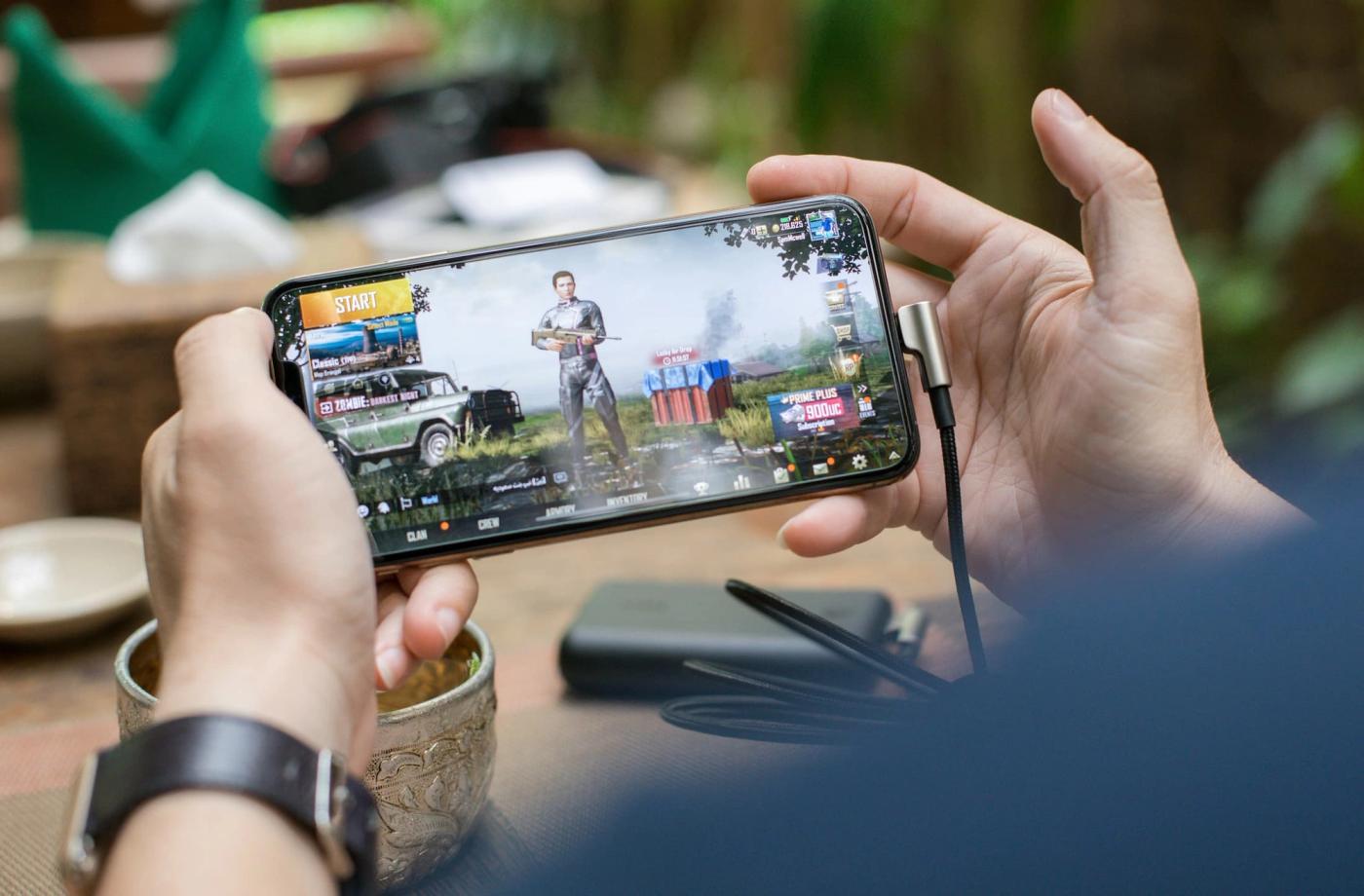
For years, mobile gaming carried a reputation it never quite deserved. To many players, it meant match-three puzzles, endless ads, and quick distractions squeezed into a commute. But that perception is starting to look badly out of date.
The numbers are impossible to ignore, major developers are taking phones seriously, and some of the biggest games in the world now live in your pocket. Mobile gaming hasn't suddenly become important. What's changed is that more people are finally willing to admit it.
The Money Has Been There All Along
If respect followed revenue, mobile gaming would've won this argument years ago.
According to multiple industry reports, mobile games account for roughly half of global gaming revenue. That's a staggering figure when you consider how much attention still goes to console exclusives and PC hardware launches. While players debate the latest $70 release, mobile games quietly generate billions through a market that reaches far beyond traditional gaming audiences.
Take Honor of Kings, released in 2015. The multiplayer battle arena game has reportedly generated well over $15 billion in lifetime revenue, approximately. That's more than many blockbuster entertainment franchises could ever hope to earn.
Yet revenue alone doesn't create prestige. Plenty of people dismissed mobile gaming because they assumed the games themselves weren't ambitious enough.
That argument gets harder to make every year.
The Gap Between Mobile and Console Keeps Shrinking
A decade ago, phones simply couldn't compete with dedicated gaming hardware. The difference was obvious within seconds.
Now? Not so much.
Modern devices can run visually impressive games that would've seemed impossible on a phone in the early 2010s. Titles like Genshin Impact (2020) demonstrated that an expansive open-world RPG could work across mobile, PC, and console without feeling like a stripped-down version. The game went on to earn billions in revenue and attracted millions of players worldwide.
Then came ports that would've sounded ridiculous a few years earlier. Recent releases have brought major console experiences such as Resident Evil Village (2021) and Death Stranding (2019) to high-end smartphones.
No, your phone won't replace a gaming PC anytime soon. But that's no longer the point. The question has shifted from "Can mobile handle serious games?" to "Which serious games make sense on mobile?"
That's a very different conversation.
Players Stopped Caring About Old Definitions
Gaming culture spent years drawing imaginary lines.
Console players looked down on mobile players. PC players looked down on console players. Everybody argued about what counted as a "real" game.
Meanwhile, millions of people simply played what they enjoyed.
The success of games like Pokémon GO (2016) exposed how disconnected those debates had become. The game reportedly generated more than $6 billion in lifetime revenue, approximately, while turning parks, city centres, and local landmarks into gathering spots for players. It wasn't succeeding despite being mobile. It succeeded because it used the strengths of a phone better than most developers ever had.
The rise of cross-platform gaming pushed things even further. Players now jump between devices without thinking much about it. A match started on a console might continue on a phone later that day. The hardware matters less than the experience.
And younger audiences have grown up in a world where mobile gaming isn't a side activity. For many players, it was their introduction to gaming.
Why Publishers Are Paying Attention
You can learn a lot about an industry's future by watching where companies invest.
Major publishers that once treated mobile as an afterthought are now building dedicated mobile divisions, acquiring smartphone-focused studios, or adapting major franchises for portable audiences. Some efforts have failed. Others have become massive hits.
The broader trend is obvious. Companies follow audiences, and audiences spend a lot of time on their phones.
Even subscription services and cloud gaming have contributed to the shift. Services that let players stream games across multiple devices blur the distinction between platforms even further. The idea that mobile gaming exists in a separate category feels increasingly outdated.
You don't have to love every business model in the mobile space. Plenty of criticism around monetisation remains justified. But that's a different discussion from whether mobile games deserve respect as games.
Most evidence suggests they do.
Why You Should Care
Even if you rarely play mobile games, this shift affects the entertainment industry as a whole.
The biggest gaming trends increasingly start on phones before spreading elsewhere. New business models, social features, and player habits often appear on mobile first. Understanding that space gives you a better picture of where gaming is heading.
And honestly, some excellent games are there waiting for you. Ignoring an entire platform because of an old stereotype means missing out on experiences that millions of players genuinely enjoy.
What to Play Next
If this has you curious about what modern mobile gaming can offer, start with these:
Genshin Impact (2020) – A huge open-world RPG that still stands as one of the strongest arguments for mobile gaming's potential.
Pokémon GO (2016) – A rare game that changed how people interacted with the real world around them.
Marvel Snap (2022) – Fast matches, smart design, and a mobile-first approach that actually benefits the game.
Respect for mobile gaming didn't arrive overnight. The funny part is that mobile never really needed validation in the first place. It built one of the largest entertainment audiences on the planet while everyone else was still debating whether it counted.

Craig Anderson
Author at SofaBreak — writing on media news and everyday curiosities.