Why Retro Gaming Is Having Its Biggest Comeback in History
You can buy a brand-new cartridge for the Nintendo Entertainment System in 2026. Not a novelty keychain or a collector’s box.

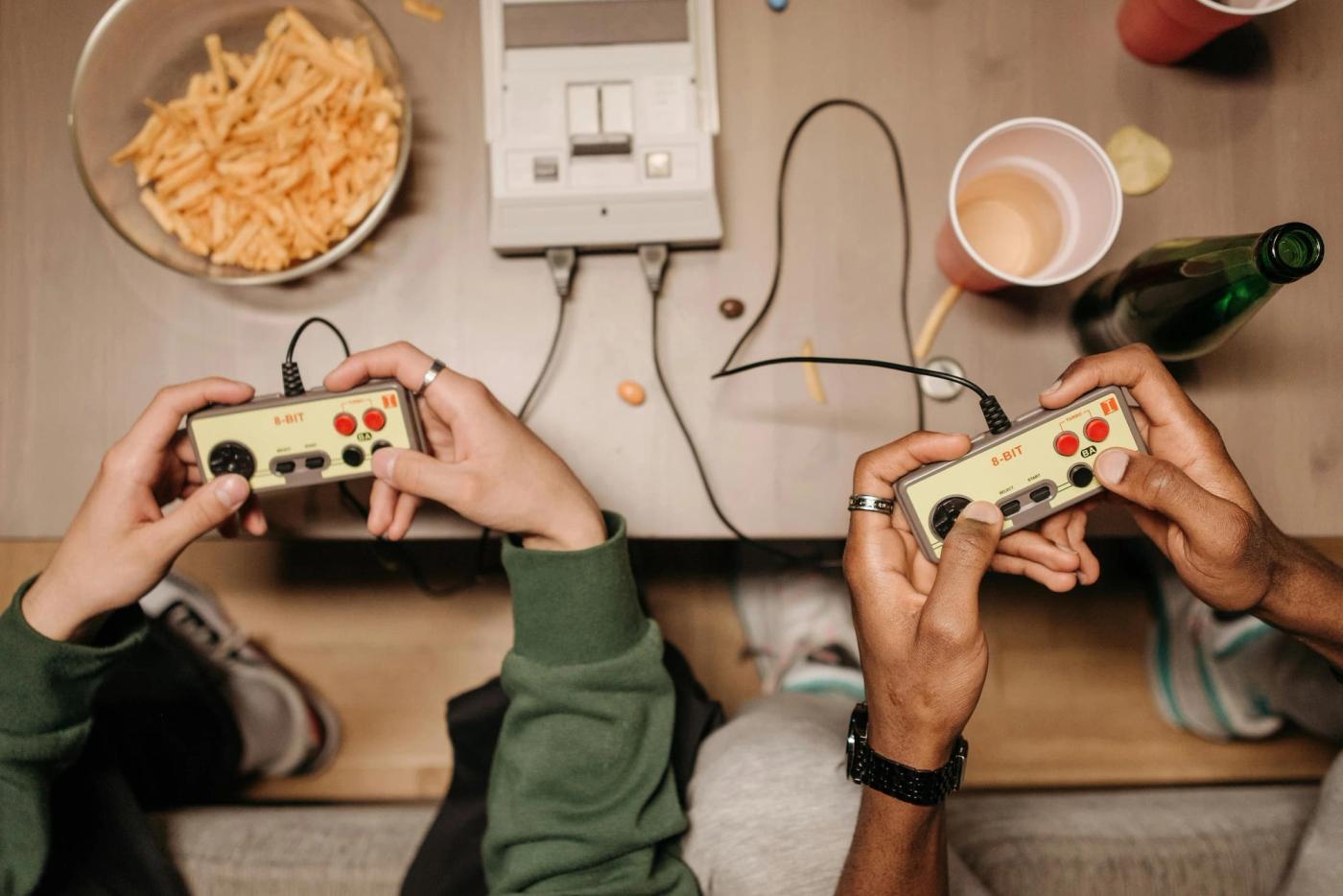
You can buy a brand-new cartridge for the Nintendo Entertainment System in 2026. Not a novelty keychain or a collector’s box. An actual new game, built for hardware released in 1983. That tells you everything about where gaming culture is right now.
Retro gaming stopped being a niche hobby a while ago. Between remastered classics, handheld emulators flooding TikTok, and younger players discovering PlayStation 2-era games for the first time, old games have become one of entertainment’s safest bets. And unlike vinyl records or disposable-camera nostalgia, this comeback has real momentum behind it.
The Industry Finally Realised Nostalgia Prints Money
For years, game publishers treated older titles like dusty archive material. Then companies started checking the numbers.
Nintendo’s SNES Classic Edition sold more than 5 million units after launching in 2017, despite constant stock shortages. Capcom’s Resident Evil 4 remake sold approximately 7 million copies by early 2025, according to the company’s financial updates. Meanwhile, Final Fantasy VII Remake turned a 1997 RPG into a multi-game blockbuster project that’s still carrying Square Enix’s release schedule.
That changed the business entirely. Retro gaming used to mean flea markets, second-hand cartridges, and emulators hidden in internet forums. Now Sony, Nintendo, Sega, and even smaller publishers actively preserve and resell older games because they know you’ll buy them again.
And honestly, you probably already have.
If you owned The Last of Us on PS3 in 2013, there’s a decent chance you bought the remaster on PS4, then considered the PS5 remake anyway. Publishers noticed that behaviour years ago. They just got better at packaging nostalgia into something that feels current.
Younger Players Don’t Care About “Old Graphics” Anymore
This is the part older gamers didn’t expect.
For a long time, retro gaming culture belonged mostly to people reliving childhood memories. But Gen Z players grew up in an era where Minecraft blocks, pixel-art indies, and lo-fi aesthetics were already normal. To them, a 16-bit game doesn’t look outdated. It looks intentional.
That’s why games like Stardew Valley, released in 2016, became massive hits while deliberately resembling Super Nintendo-era design. The same goes for Shovel Knight, Sea of Stars, and Octopath Traveler. They borrow old-school visuals without feeling trapped in the past.
You can see the shift on streaming platforms too. Twitch speedruns of Super Mario 64 still pull huge audiences nearly 30 years after the game launched in 1996. On YouTube, channels dedicated to CRT televisions, Game Boy restoration, and PS2 retrospectives routinely rack up millions of views.
Because younger players aren’t chasing nostalgia. They’re chasing games that feel different from modern live-service fatigue.
That matters more than graphics ever did.
Physical Media Became Cool Again
Retro gaming also arrived at the perfect cultural moment. People got tired of digital everything.
You stream movies. You rent music through subscriptions. Half the games you buy now require massive downloads before they even work properly. Older games feel refreshingly straightforward by comparison. Put cartridge into console. Press power button. Done.
The resale market reflects that shift. According to Heritage Auctions, a sealed copy of Super Mario Bros. sold for approximately $2 million in 2021, which still sounds absurd even after hearing it multiple times. Most retro games aren’t worth anything close to that, obviously, but collecting exploded after the pandemic.
And physical ownership means something different now. Owning a PlayStation 2 copy of Silent Hill 2 or an original Game Boy Advance SP feels tangible in a way digital storefront libraries don’t.
You also can’t ignore the design side of this. Older consoles had personality. Transparent Nintendo 64 controllers. Chunky Sega Dreamcast memory cards. Bright Game Boy Color shells that looked like candy. Modern hardware is sleek, but sleek rarely becomes beloved.
Modern Games Got Bigger. Retro Games Stayed Focused.
A lot of players are exhausted.
Open-world games regularly demand 80 to 120 hours. Menus stretch forever. Battle passes expire weekly. Every release wants your full attention for months. Retro games don’t ask for that commitment.
A typical SNES game might take five hours to finish. An arcade shooter can deliver its entire idea in twenty minutes. Even difficult older games feel focused because hardware limitations forced developers to cut excess content.
That design philosophy suddenly feels appealing again.
You can see it influencing modern releases everywhere. Astro Bot, Metroid Dread, and Prince of Persia: The Lost Crown all lean into tighter progression and shorter runtimes instead of endless map icons. Critics and players responded well because those games respected people’s time.
There’s also less friction in older games. No mandatory updates. No battle passes. No pop-up store tabs asking you to spend another $20 on cosmetics. You turn the game on and start playing immediately. Funny how revolutionary that feels in 2026.
Why You Should Care
Even if you’ve never touched a Sega Genesis or a Dreamcast, retro gaming affects what you play now. Modern developers constantly borrow ideas from older eras because many players are burned out on bloated design and endless monetisation.
And retro culture has become one of the easiest entry points into gaming history. Watching Arcane without knowing League of Legends is fine. But playing Castlevania: Symphony of the Night or Metal Gear Solid lets you see where decades of modern games got their ideas. You notice the DNA everywhere afterward.
What to Watch, Read, or Play Next
If this whole retro resurgence has you curious, start with a few essentials instead of trying to build a giant collection overnight.
Play Chrono Trigger if you want to understand why people still obsess over 16-bit RPGs nearly 30 years later. Watch High Score on Netflix for a surprisingly sharp look at the early console wars. And if you want modern retro done right, Teenage Mutant Ninja Turtles: Shredder’s Revenge nails the feeling of a 1990s arcade game without feeling trapped there.
Because that’s the real reason retro gaming keeps growing. The best older games still feel alive when you pick up the controller. Most entertainment trends can’t say the same.

Clara Rhodes
Author at SofaBreak — writing on media news and everyday curiosities.