Why Video Game Soundtracks Are Dominating Music Streaming in 2026
You don't need to own a console anymore to know what a video game soundtrack sounds like.

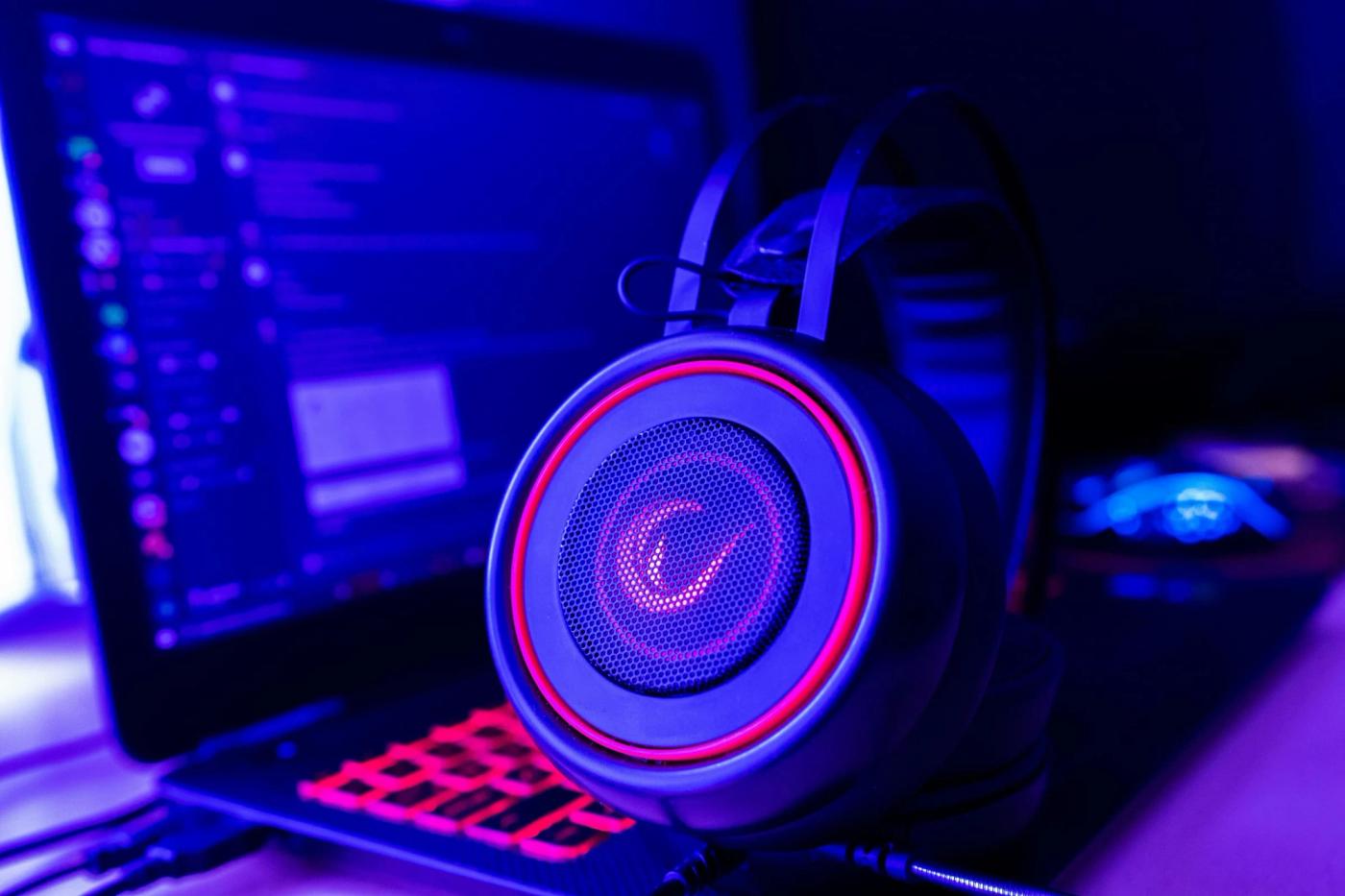
You don't need to own a console anymore to know what a video game soundtrack sounds like. Open Spotify during a gym session, throw on a study playlist, or search for background music while working, and chances are you'll land on tracks that started life attached to a boss fight or an open-world map.
In 2026, game music stopped feeling like a niche category and started behaving like mainstream listening. And unlike plenty of music trends that flare up for six months then disappear, this one has been building quietly for years.
The Playlist Era Changed Everything
For decades, game music had a branding problem. People loved it, but often didn't realise they loved it.
Now playlists have erased context. A lo-fi track from a 2020 indie game sits next to movie scores, ambient electronica, and bedroom pop without anyone caring where it came from. If the track works, it stays.
Games also produce an absurd amount of music. A blockbuster release can easily ship with four or five hours of soundtrack material. Compare that to a typical album running 40 minutes. When developers want players to spend 100 hours somewhere, they need music that survives repeated listening.
That turns out to work pretty well for streaming.
Games Became Music Discovery Machines
Back in the 2000s, people discovered music from movie soundtracks or radio stations in racing games. Now they're discovering composers directly.
Look at 2023's Baldur's Gate 3. Its soundtrack didn't stay inside the game. Tracks spread across streaming playlists, study mixes, and social media edits. The same thing happened with 2022's Elden Ring, whose orchestral themes escaped gaming spaces almost immediately.
And then there's the old guard.
Music from Minecraft remains one of the clearest examples of how game soundtracks changed listening habits. Composer Daniel Rosenfeld released much of that music more than a decade ago, yet tracks still rack up massive streaming numbers because they're used for studying, sleeping, reading, and background listening.
That's the key difference. People aren't just replaying nostalgia. They're using game music daily.
A lot of this comes down to utility. Lyrics demand attention. Instrumental music often doesn't.
Streaming Finally Caught Up To What Fans Were Already Doing
You've probably heard somebody say they work better with game music. They're not imagining it.
Game composers spend years learning how to write music that keeps attention without overwhelming it. Their job isn't simply making songs. Their job is creating loops players can hear repeatedly without wanting to mute the game.
That design philosophy accidentally made perfect streaming music.
Services also got smarter about surfacing it. Algorithmic playlists don't care whether a track comes from a movie, game, or traditional album. If listeners finish tracks and save them, recommendation systems keep pushing them.
And because games are now cultural events rather than niche hobbies, the audience is huge. Approximately 15 million copies of Baldur's Gate 3 were sold within its first year, while 2022's Elden Ring passed approximately 30 million units. That's a lot of potential soundtrack listeners.
Why You Should Care
Even if you barely play games, this shift affects what shows up in your playlists.
Because game music is influencing film scoring, streaming recommendations, and even social video trends, you're already hearing the effects whether you notice or not. And if you've ever searched for "focus music" or "relaxing instrumental playlists," you've probably been listening to game composers for longer than you think.
The Part That Might Surprise You
The biggest winners might not be blockbuster franchises.
Indie games produce enormous amounts of streaming-friendly music because smaller teams often experiment more. Cozy farming games, survival games, city builders, and narrative adventures all generate soundtracks built for long sessions and repeat listening.
Which creates a weird outcome: some composers now have listeners who have never played their games.
That would've sounded ridiculous ten years ago.
What to Watch / Read / Play Next
If you want to understand why game music is everywhere, start with these:
Minecraft: Still one of the clearest examples of music becoming bigger than the game itself.
Baldur's Gate 3: Massive orchestral themes, character motifs, and enough music to fill your week.
Journey: A reminder that game soundtracks started proving their standalone value long before streaming fully noticed.
You don't need to know what build somebody runs, or which console they own. Put the soundtrack on during your commute. If it stays in rotation after a week, the argument is already over.

Mia Carter
Author at SofaBreak — writing on media news and everyday curiosities.