10 Animal Behaviours That Scientists Still Cannot Fully Explain
You probably assume scientists have animals mostly figured out by now. After all, we've tracked whales across oceans, mapped bird migrations from space, and watched chimpanzees use tools.

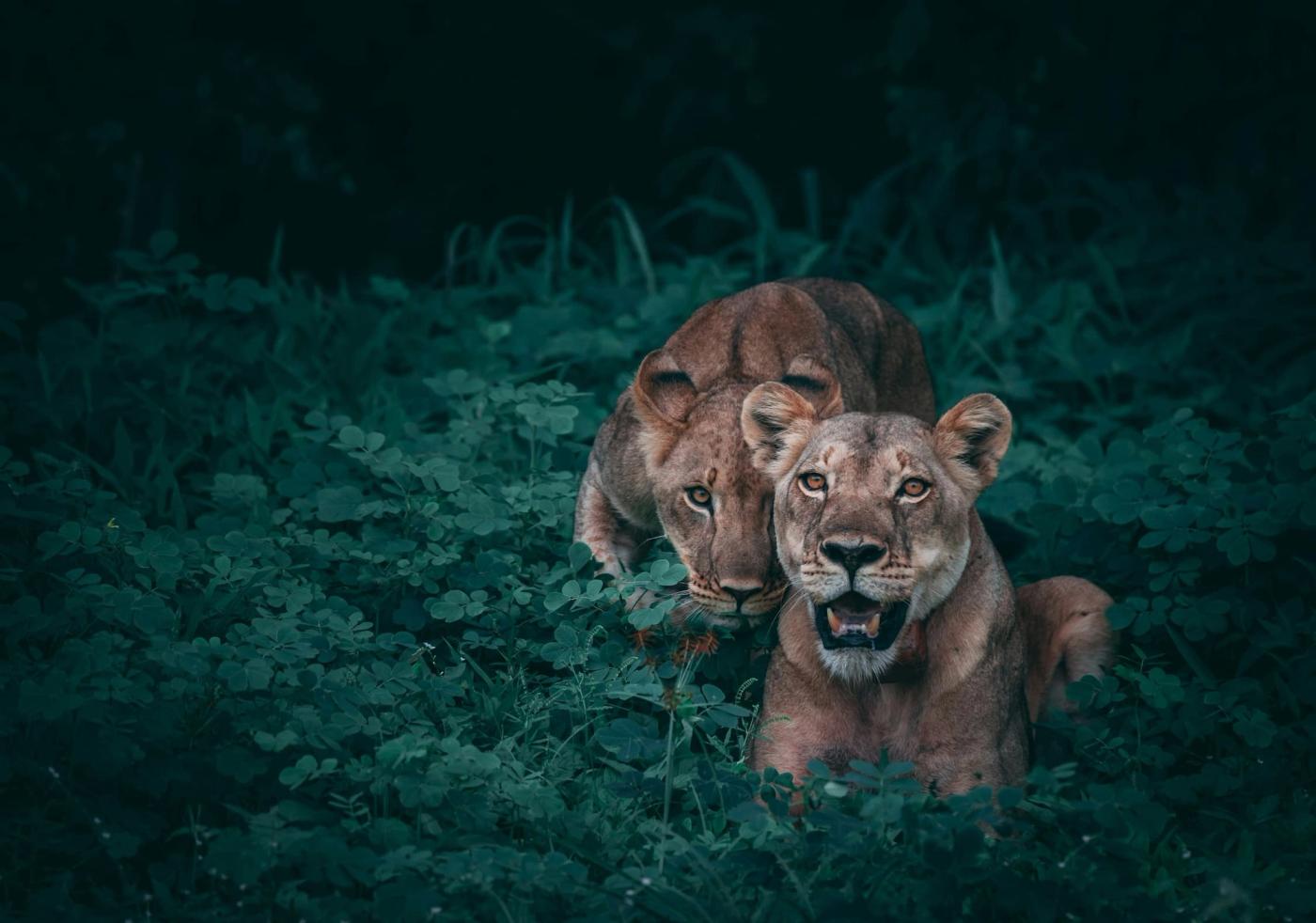
You probably assume scientists have animals mostly figured out by now. After all, we've tracked whales across oceans, mapped bird migrations from space, and watched chimpanzees use tools. Yet some of the strangest things animals do still leave researchers scratching their heads.
The weird part isn't that these behaviours exist. It's that nobody can fully explain why they happen, even after decades of study.
1. Birds That Fly Thousands of Miles Without Getting Lost
Every year, migratory birds travel astonishing distances with almost supernatural accuracy. The Arctic tern, for example, flies from the Arctic to Antarctica and back again. Scientists know birds use the sun, stars, landmarks, and even Earth's magnetic field. But nobody fully understands how they combine all those signals into a navigation system that works across entire continents. Some birds even stay on course during storms that completely change the landscape below them.
2. Cats That Somehow Find Their Way Home
Stories of cats traveling hundreds of miles to return home sound like urban legends until you discover how often they happen. Researchers call this "homing behavior," but that's really just a label, not an explanation. Some theories suggest cats detect Earth's magnetic field. Others point to scent trails. Yet many returning cats cross unfamiliar territory where neither explanation seems strong enough. One cat in California reportedly found its way home after a move that placed it dozens of miles away.
3. The Mystery of Whale Songs
Humpback whales sing songs that can last for hours, and entire whale populations often change those songs at the same time. Scientists know males produce the sounds, but they still debate exactly why. Even stranger, a new song can spread across an ocean basin like a viral trend. Imagine every pop star on Earth suddenly switching to the same new melody within months. That's surprisingly close to what whales seem to do.
4. Ant Death Spirals
Certain ant species occasionally march in giant circles until they collapse from exhaustion. Researchers call this a death spiral. It happens when ants lose the pheromone trail that normally guides them. That explains how the spiral starts, but not why thousands continue following one another even when the behavior becomes deadly. In some documented cases, these circles have stretched several hundred feet across and lasted for days.
5. Octopuses Throwing Things
Octopuses have surprised scientists for years with their intelligence, but one behavior stands out. They sometimes gather shells, sand, or debris and deliberately launch it through the water. Researchers have observed octopuses hitting other octopuses with these projectiles during disputes. The behavior looks suspiciously like targeted throwing, something once considered uniquely human. Scientists still argue over whether the animals intend to hit specific targets or if the impacts happen by chance.
6. Cows Facing the Same Direction
Satellite images revealed something odd. Large groups of grazing cows often align their bodies in roughly the same north-south direction. Scientists noticed the pattern across multiple countries and thousands of animals. Some researchers believe cows sense Earth's magnetic field. Others remain unconvinced because follow-up studies produced mixed results. Either way, nobody expected farm animals to spark debates about magnetism and navigation.
7. Dolphins Using Strange Names
Bottlenose dolphins develop unique signature whistles that function a bit like names. Other dolphins can imitate those whistles to call specific individuals. Scientists understand the basic mechanics, but questions remain. Why did dolphins evolve this system while most animals didn't? How much information can these whistles carry? The more researchers study dolphin communication, the more it resembles something far more complex than simple animal calls.
8. The Mass Beaching of Whales
Few wildlife events seem more puzzling than healthy whales stranding themselves on beaches. Scientists have proposed dozens of explanations, including navigation errors, underwater noise, illness, and magnetic disturbances. None fully explains every case. Some strandings involve entire groups following one whale into danger. Others occur in locations with no obvious trigger. Despite years of investigation, mass beachings remain one of nature's most unsettling mysteries.
9. Fireflies Synchronizing Their Flashing
In parts of Southeast Asia and North America, thousands of fireflies sometimes flash in perfect rhythm. Entire trees can pulse with light as if controlled by a single switch. Scientists think synchronization helps attract mates, but that answer raises more questions. How do so many insects coordinate with such precision? And why do some species synchronize while closely related species never do? The spectacle looks almost computer-generated.
10. Sharks Gathering for Unknown Reasons
Several shark species form large seasonal gatherings in specific locations around the world. Scientists can track when these events happen, but they often struggle to explain why. Some gatherings don't align with feeding, breeding, or migration patterns. In the Pacific Ocean, researchers have recorded huge numbers of hammerhead sharks assembling in ways that don't fit existing theories. For animals studied so intensely, sharks still keep plenty of secrets.
The deeper scientists look into animal behavior, the stranger the natural world becomes. Share this with someone who thinks humans are complicated, because a synchronized firefly, a singing whale, and a homeward-bound cat suggest we've only scratched the surface.

Devon Walker
Author at SofaBreak — writing on facts and everyday curiosities.