10 Animal Facts So Strange They Sound Completely Made Up
You already know animals can fly, swim, run, and occasionally ruin your garden. What you probably don't know is that some of them also clone themselves

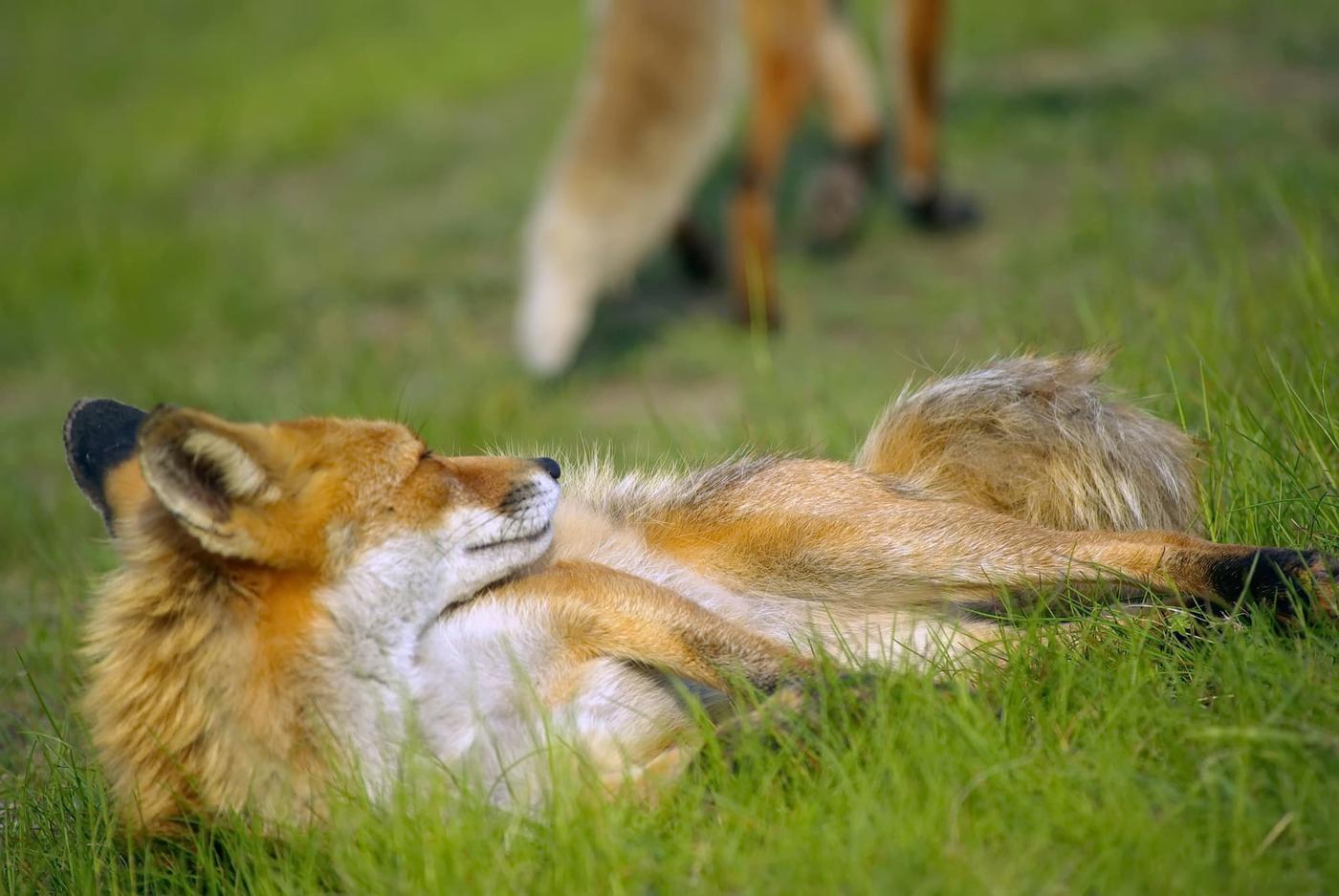
You already know animals can fly, swim, run, and occasionally ruin your garden. What you probably don't know is that some of them also clone themselves, survive without oxygen, and punch hard enough to break aquarium glass. A few minutes from now, you're going to question whether nature secretly hires comedy writers.
Things Nature Definitely Should Have Warned You About
1. Octopuses Have Three Hearts And Blue Blood
An octopus already looks like an alien, then biology makes things stranger. It carries three hearts: two pump blood to the gills, while one handles the rest of the body. That third heart even stops beating when the octopus swims, which explains why many prefer crawling. And the blood? Blue, because it uses copper instead of iron to move oxygen around.
2. Some Jellyfish Can Technically Age Backwards
Meet the jellyfish that refuses to commit to getting old. When stressed, injured, or starving, Turritopsis dohrnii can revert from adult form back into an earlier life stage and start again. Scientists call it biological immortality, although plenty still get eaten. Imagine paying taxes for forty years and then turning back into a toddler. That's roughly the energy here.
3. Wombats Produce Cube-Shaped Poop
Yes, cubes. Actual cubes. Wombats leave behind little square droppings because cube-shaped poop doesn't roll away on rocks or hillsides. Since wombats use poop to mark territory, keeping it exactly where you dropped it makes sense. Researchers spent years figuring out how this works, which means someone somewhere built a career around extremely unusual geometry.
4. Mantis Shrimp Punch Faster Than A Bullet
The mantis shrimp doesn't look threatening until you realize its punch creates shockwaves underwater. Its club-like arms accelerate so quickly they can crack shells, smash aquarium glass, and briefly heat nearby water to temperatures close to the sun's surface. The animal measures only a few inches long. That's like discovering your house key can destroy concrete.
5. Sloths Can Hold Their Breath Longer Than Dolphins
You'd expect dolphins to dominate any breathing contest. Nope. Sloths slow their heart rates so dramatically that they can hold their breath for up to forty minutes. Dolphins usually need air sooner. A swimming sloth basically enters power-saving mode. Which feels unfair, considering the same animal also looks permanently confused by stairs.
Wait, It Gets Stranger
6. Some Ants Create Living Bridges Using Their Bodies
Army ants don't always search for bridges. Sometimes they become the bridge. Workers grab onto each other and form living structures so the colony can cross gaps or obstacles. If traffic patterns change, they rearrange themselves. Thousands of insects collectively deciding, "Fine, I'll become infrastructure," sounds fake until you watch it happen.
7. Platypuses Glow Under UV Light
As if laying eggs and having venom wasn't enough, platypuses also fluoresce under ultraviolet light. Shine UV light on them and parts of their fur glow blue-green. Scientists only discovered this recently because apparently nobody had pointed enough weird lighting equipment at platypuses before. At this point, adding laser vision wouldn't even feel surprising.
8. Sea Cucumbers Fight By Launching Their Organs
Sea cucumbers handle danger in a way nobody else does. Some species eject sticky internal organs directly at predators. The mess tangles attackers while the sea cucumber escapes. Then it grows the missing organs back later. Most animals develop claws or teeth. Sea cucumbers looked at that idea and chose detachable body parts instead.
9. A Tiny Animal Can Survive In Space
Tardigrades, sometimes called water bears, survive things that should end almost everything. Extreme heat, deep freezing, crushing pressure, radiation, and even exposure to space don't always kill them. They dry themselves into tiny survival capsules and wait for better conditions. They're smaller than a grain of sand and somehow tougher than most household appliances.
10. One Animal Doesn't Need Oxygen To Live
For decades, scientists assumed every animal needed oxygen. Then researchers found Henneguya salminicola, a tiny parasite that skips oxygen completely. It lives inside fish and survives without the process most animals depend on. That's a pretty rude discovery if you're oxygen, because you've spent billions of years acting essential.
The Weird Part Nobody Mentions
You can spend years learning how nature works and still discover an animal that glows, throws organs, or turns aging into an optional side quest. Send this to someone who thinks they've already heard every weird animal fact online, especially if they seem a little too confident about wombats.

Clara Rhodes
Author at SofaBreak — writing on facts and everyday curiosities.