10 Space Facts That Make the Earth Feel Embarrassingly Tiny
You already know space is big. What you probably don't know is how quickly your brain gives up trying to picture just how big. Numbers stop helping after a while.

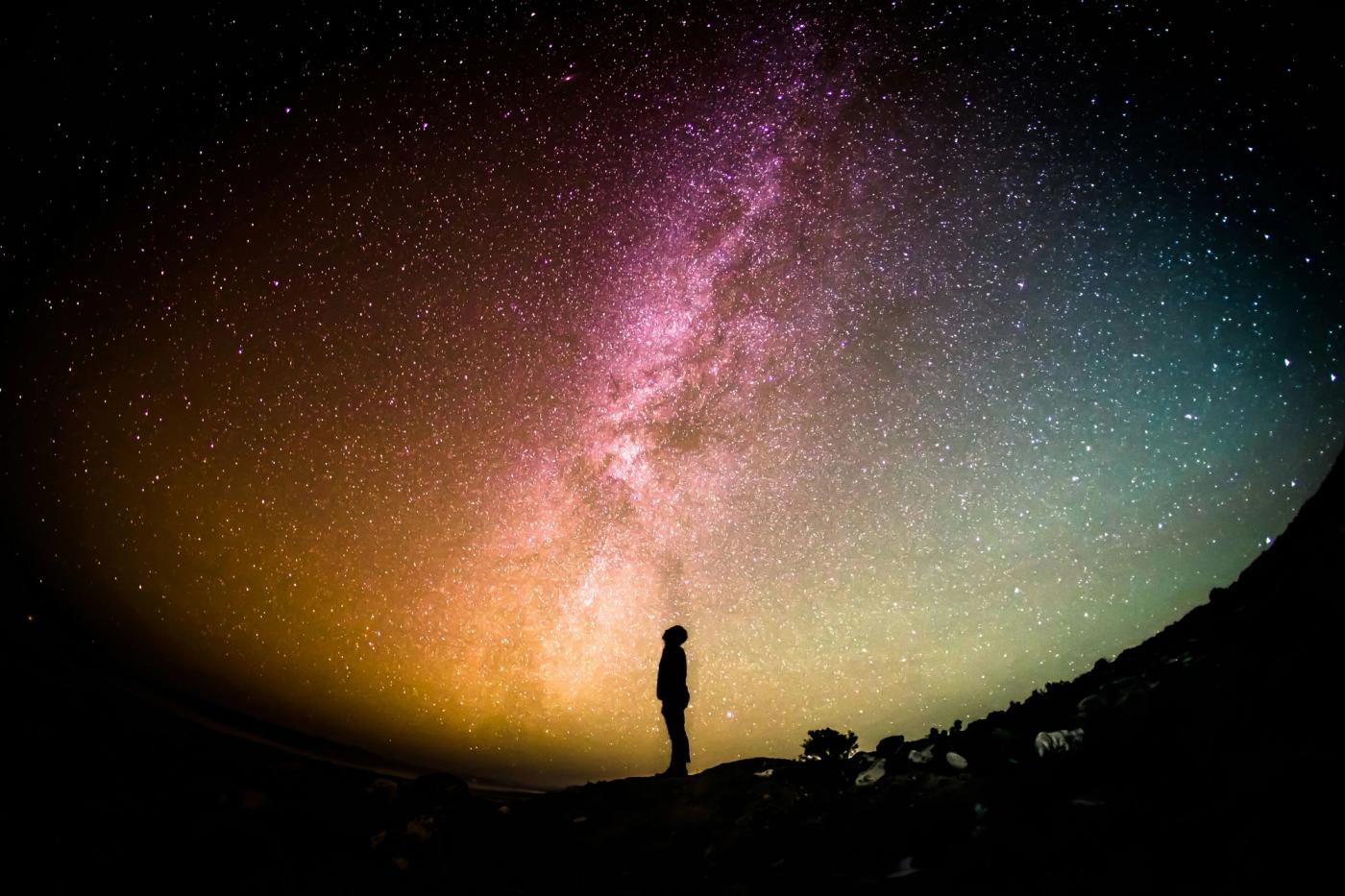
You already know space is big. What you probably don't know is how quickly your brain gives up trying to picture just how big. Numbers stop helping after a while. Distances turn absurd. And somewhere along the way, Earth goes from feeling huge to feeling like a speck you could lose under your sofa cushion.
Things Get Weird Very Fast
1. The Sun Could Fit More Than One Million Earths Inside It
You know the Sun looks huge in the sky. That doesn't prepare you for this. You could pack around 1.3 million Earths inside the Sun if you stacked them carefully. Even stranger, the Sun counts as a pretty average star. If Earth were the size of a grape, the Sun would sit there like a giant beach ball, quietly keeping the whole solar system under control.
2. Space Between Planets Is Mostly Empty Nothing
Movies make planets look packed together. Reality looks rude. If Earth were a marble and you placed the Sun about 25 meters away, Neptune wouldn't show up until almost a kilometer from where you're standing. Most of our solar system contains empty space. You could remove the planets entirely and, at first glance, things would barely look different.
3. You Could Line Up Every Planet Between Earth And The Moon
This sounds fake. It's not. The average distance between Earth and the Moon measures about 384,400 kilometers. Add up the diameters of every planet in our solar system and you get roughly 380,000 kilometers. That means you could squeeze them all in that gap with room left over. Suddenly the Moon doesn't feel very close anymore.
4. The Biggest Known Stars Make The Sun Look Tiny
Meet stars like UY Scuti. If you placed one where our Sun sits, its outer edge would stretch beyond the orbit of Jupiter. Some estimates suggest you could fit billions of Suns inside these monsters. And yes, billions. You could lose entire solar systems inside them and still have room.
5. Light Takes Time To Travel, Even Inside Our Neighborhood
Light moves at almost 300,000 kilometers every second. Sounds instant. It isn't. Sunlight needs about eight minutes to reach Earth. When you look at the Sun, you see the version from eight minutes ago. If the Sun disappeared right now, you wouldn't know immediately. You'd continue living your normal life for several awkward minutes.
The Scale Problem Gets Worse
6. There Are More Stars Than Grains Of Sand On Earth
People love saying this because it sounds dramatic. The annoying part is that astronomers think it's probably true. Scientists estimate there may be around septillions of stars in the observable universe. That's a number with 24 zeros. Every beach you've visited, every desert you've seen, every handful of sand you've dropped through your fingers still loses.
7. The Milky Way Takes 100,000 Light Years To Cross
Our home galaxy, Milky Way, stretches around 100,000 light years across. Light travels fast enough to circle Earth seven times in one second, and it still needs 100,000 years to cross the galaxy. Humans built pyramids about 4,500 years ago. Light wouldn't even make it halfway across by now.
8. There Are Galaxies So Far Away We Can Never Reach Them
You might think faster spaceships solve everything. Not this. Because the universe expands, some galaxies move away from us effectively faster than light can catch them. That means parts of the universe already sit permanently out of reach. Right now, while you read this, objects exist that humanity could never visit even with absurd future technology.
9. Your Body Contains Atoms Older Than Earth
The carbon in your muscles, the oxygen you're breathing, the iron in your blood, none of that started here. Ancient stars created those atoms billions of years before Earth existed. Massive stars exploded, scattered material through space, and eventually helped build planets, oceans, dogs, coffee mugs, and you. You aren't standing in the universe. You're recycled pieces of it.
10. The Observable Universe Might Not Even Be The Whole Universe
Here's the part that breaks brains. The observable universe measures around 93 billion light years across. That's only the part light had enough time to show us. Beyond that? Nobody knows. The universe could continue forever. It could loop around somehow. Or our entire visible region could amount to one tiny patch in something much larger.
After Thinking About This, Your Apartment Feels Different
Earth still matters because it's where your coffee sits, where your friends live, and where your phone battery always dies at the wrong time. But after reading this, the planet feels less like the center of everything and more like a very lucky dot. Share this with someone who still thinks the Moon counts as "nearby."

Jude Archer
Author at SofaBreak — writing on facts and everyday curiosities.