The Bizarre History of Money: From Salt Wages to Digital Cash
Money feels permanent. You tap your phone, your coffee appears, and nobody stops to wonder why a string of numbers can buy lunch

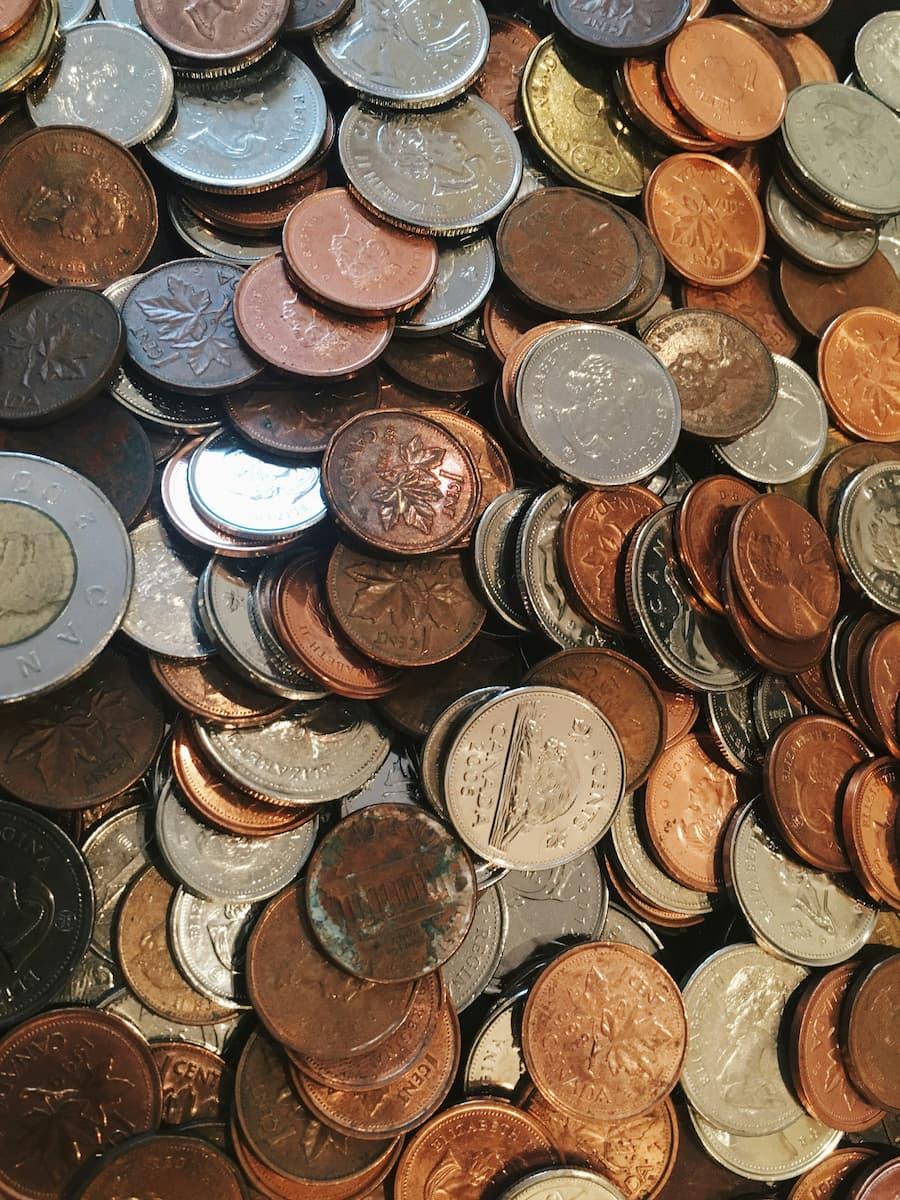
Money feels permanent. You tap your phone, your coffee appears, and nobody stops to wonder why a string of numbers can buy lunch. But the story behind money gets weird fast. Humans have traded with seashells, giant stone disks, and enough salt to season an empire, all because we collectively agreed those things had value.
1. Roman Soldiers Got Paid in Salt
Salt mattered so much in the ancient world that Roman soldiers sometimes received allowances connected to buying it. That's where the word "salary" likely traces some of its roots, through the Latin term salarium. Salt preserved food before refrigerators existed, which made it genuinely valuable. Imagine finishing a month of work and heading home with enough seasoning to count as a paycheck. Suddenly, "worth your salt" sounds a lot less metaphorical.
2. Some People Used Giant Stone Coins
On the Pacific island of Yap, people carved enormous limestone disks called Rai stones and treated them as money. Some measured over 10 feet across and weighed several tons. Nobody hauled these monsters to the market. Ownership changed through community agreement instead. Everyone simply knew who owned which stone, even if it sat untouched by the roadside for years. It's oddly similar to how digital banking works today.
3. Cocoa Beans Bought More Than Chocolate
The Aztecs valued cocoa beans so highly that they used them as currency. Historical records suggest you could buy a turkey with a few hundred beans or purchase smaller items for much less. The system had one obvious flaw. People loved drinking chocolate. Some counterfeiters even emptied cocoa shells and filled them with dirt before passing them off as real money. Financial fraud clearly didn't wait for the internet.
4. China Invented Paper Money First
Long before Europe embraced banknotes, merchants in China had already figured out that carrying sacks of metal coins wasn't practical. During the Tang and Song dynasties, traders began using paper certificates that represented stored value. The idea spread because nobody enjoyed dragging around heavy strings of coins. You can thank exhausted medieval merchants for helping create the folded bills that later filled wallets worldwide.
5. People Once Traded with Teeth
In parts of Papua New Guinea and other regions, animal teeth carried real purchasing power. Dog teeth necklaces, in particular, functioned as status symbols and forms of wealth. Gathering enough teeth took time and effort, which gave them value within those communities. It sounds unusual now, but future generations might look at our obsession with printed paper and wonder what exactly we were thinking.
6. Counterfeiters Used to Face Brutal Punishments
Governments have never appreciated competition in the money business. In medieval England, authorities punished counterfeiters with shocking severity because fake coins threatened trust in the economy. Some criminals faced execution. Others endured public humiliation designed to deter copycats. The reaction reveals an uncomfortable truth. Money only works because people believe in it. Once that belief cracks, entire systems wobble.
7. The First Credit Cards Weren't Plastic
Before sleek cards lived in every wallet, early charge systems looked very different. In the 1950s, Diners Club introduced one of the first modern credit cards after its founder allegedly forgot his wallet during dinner. The original card came from cardboard, not plastic. Members could settle restaurant bills later, and a new era of spending had quietly begun over an awkward meal.
8. Coins Sometimes Traveled Across Continents
Money rarely respected borders. Spanish silver coins circulated so widely during the colonial era that people accepted them throughout Europe, Asia, and the Americas. They became one of history's first global currencies. In fact, the Spanish dollar influenced the design of the early U.S. dollar. A coin minted on one continent could shape economies thousands of miles away.
9. People Mined Gold During Actual Rushes
Gold rushes didn't just create wealth. They created chaos. News of discoveries in California and elsewhere sent thousands of hopeful prospectors racing toward rumored fortunes. Many arrived too late, spent their savings, and returned home broke. Meanwhile, shopkeepers selling tools, food, and lodging often made steadier profits. The people chasing money didn't always earn it. The people supporting the chase often did.
10. Digital Cash Exists Because We Trust Code
Cryptocurrencies pushed one of humanity's oldest ideas into unfamiliar territory. Instead of metal, paper, or beans, digital assets rely on cryptography and decentralized record-keeping. You can't hold them in your hand, yet millions of people assign them value. That's the strange thread connecting every form of money in history. Whether it's salt or software, belief does most of the heavy lifting.
Money has never been as logical as we'd like to think. It's a collection of stories people agree to tell together, and those stories keep getting stranger. Share this with someone who still thinks spare change is the weirdest thing in their wallet.

Devon Walker
Author at SofaBreak — writing on facts and everyday curiosities.