The Physics of Why Ice Is Slippery (Most People Have This Wrong)
You probably learned that ice feels slippery because pressure from your feet melts the surface. That explanation sounds neat, but it falls apart the moment you look a little closer.

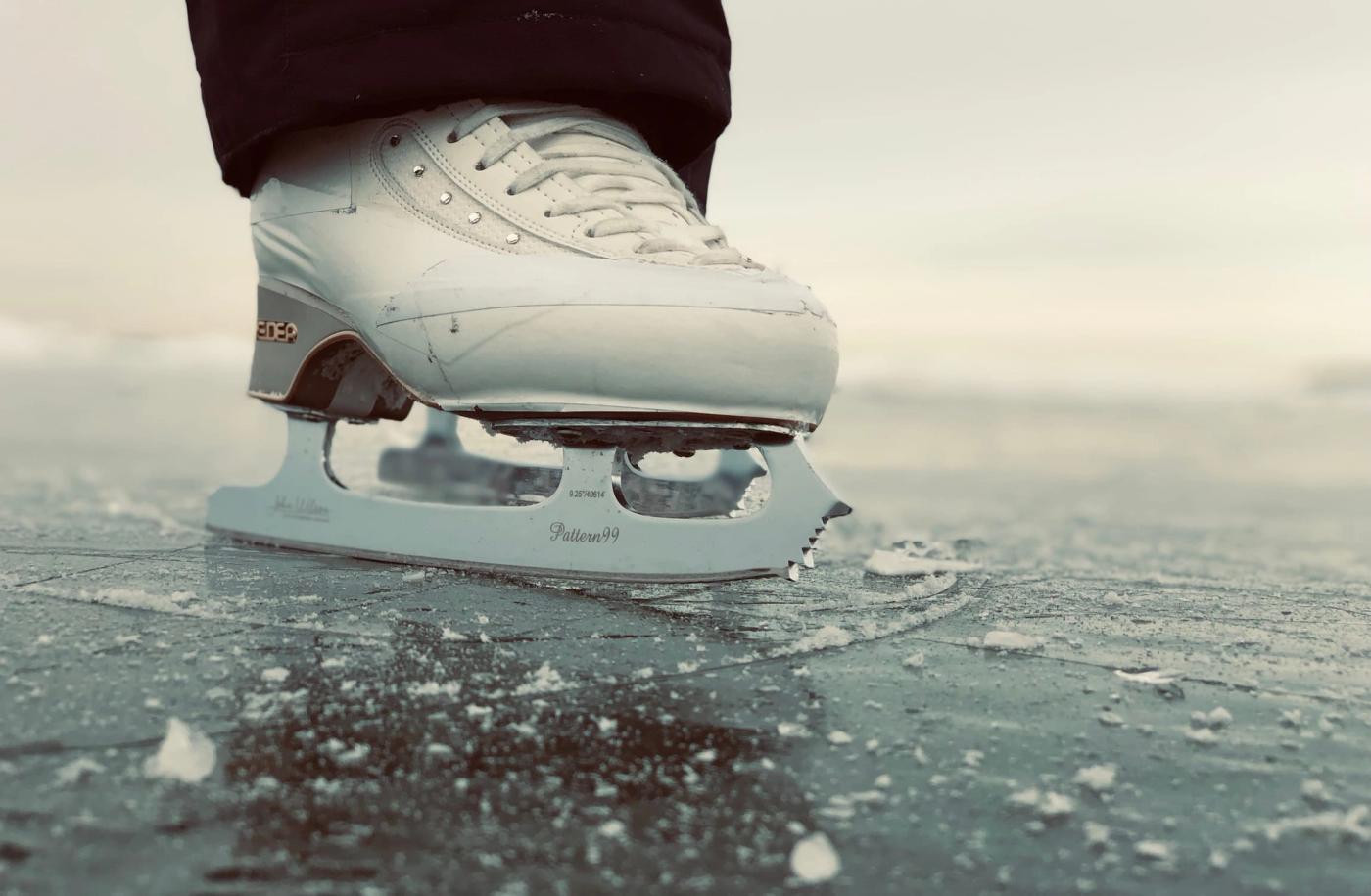
You probably learned that ice feels slippery because pressure from your feet melts the surface. That explanation sounds neat, but it falls apart the moment you look a little closer. The real story mixes physics, chemistry, and a strange surface layer that behaves nothing like the solid ice underneath.
Pressure Isn't the Main Reason
Most people picture a skate blade pressing so hard that the ice melts beneath it. Nice idea, but your shoes slip on ice even when they spread your weight over a much larger area. You can also slide while standing still. Scientists discovered that pressure alone can't explain everyday slipperiness because ice stays slippery in situations where the pressure barely changes. That old classroom explanation survives mostly because it's simple, not because it's complete.
2. Ice Wears a Tiny Liquid Coat
The outermost layer of ice doesn't behave like the frozen crystal below it. Even when the temperature sits well below freezing, molecules on the surface move more freely because they don't have neighboring molecules locking them into place on every side. That creates an ultra-thin, water-like film. You'd never see it with your eyes, but your shoes or tires notice it immediately.
3. The Sweet Spot Isn't the Coldest Weather
You might expect colder ice to become even more slippery. The opposite often happens. Ice usually reaches peak slipperiness just below the freezing point because that surface layer grows more mobile. Drop the temperature far below zero and the layer stiffens, creating more friction. That's one reason winter athletes pay close attention to temperature before every race. A few degrees can completely change how the ice feels.
4. Speed Makes Ice Even Slicker
The faster you move across ice, the more heat friction creates. That tiny burst of warmth can thicken the already slippery surface layer for a moment, making it even easier to glide. Speed and slipperiness feed each other in a surprising loop. That's why a speeding hockey puck keeps sliding long after you'd expect it to stop on such a rough-looking surface.
5. Skates Don't Just Cut Into Ice
Many people imagine skate blades working like tiny knives. They actually do something much cleverer. Their narrow edges concentrate your weight while also generating heat through motion. Together with the naturally slippery surface layer, that creates an incredibly low-friction path. Olympic skaters can glide dozens of feet with a single push because several physical effects work together, not because the blade simply slices the ice.
6. Ice Can Become Too Cold to Slip Easily
Researchers working in polar regions have noticed something unexpected. At extremely low temperatures, ice starts feeling much grippier than the ice you find at a neighborhood skating rink. The surface molecules lose much of their freedom to move, so that slippery coating shrinks. Walking on Antarctic ice can actually feel more secure than walking across a parking lot during a mild winter day.
7. Snow Doesn't Always Behave Like Ice
Fresh snow often gives your shoes plenty of grip because loose crystals compress under your weight. Packed snow tells a different story. Compression and rubbing can create tiny amounts of liquid water between the crystals, making the surface unexpectedly slick. That's why a snowy sidewalk might feel perfectly safe one minute and surprisingly treacherous after hundreds of people walk across it.
8. Penguins Use Physics to Their Advantage
Penguins don't only waddle across ice. They often launch themselves onto their bellies and slide for long distances, a behavior called tobogganing. Their smooth feathers and body shape reduce friction, helping them save energy while traveling. They aren't creating the slippery surface, but they take brilliant advantage of the thin, low-friction layer that already exists beneath them.
9. Scientists Still Argue About the Details
You'd think something as common as slipping on ice would have a settled explanation by now. Not quite. Researchers agree that the old pressure-only theory misses the mark, but they still debate exactly how much each factor contributes. Surface chemistry, molecular vibrations, frictional heating, and temperature all play a role. Even everyday phenomena can hide questions that science continues to explore.
10. Your Brain Expects More Grip Than Ice Gives
Slipping feels so dramatic because your brain constantly predicts how much friction your feet should have. On concrete, those predictions work beautifully. On ice, they fail in an instant. Your muscles react a fraction of a second too late because the ground provides far less resistance than expected. That's why even careful walkers can lose their balance before they realize anything went wrong.
The next time you step onto an icy path, you'll know you're standing on one of nature's strangest surfaces, not just frozen water. Share this with someone who still thinks pressure alone makes ice slippery, they'll probably never look at a skating rink the same way again.

Jude Archer
Author at SofaBreak — writing on facts and everyday curiosities.