The Strange Reason Time Feels Faster the Older You Get
You remember summer holidays lasting forever? Three weeks felt like a small lifetime. Now you blink, somebody mentions Christmas plans, and somehow it's October.

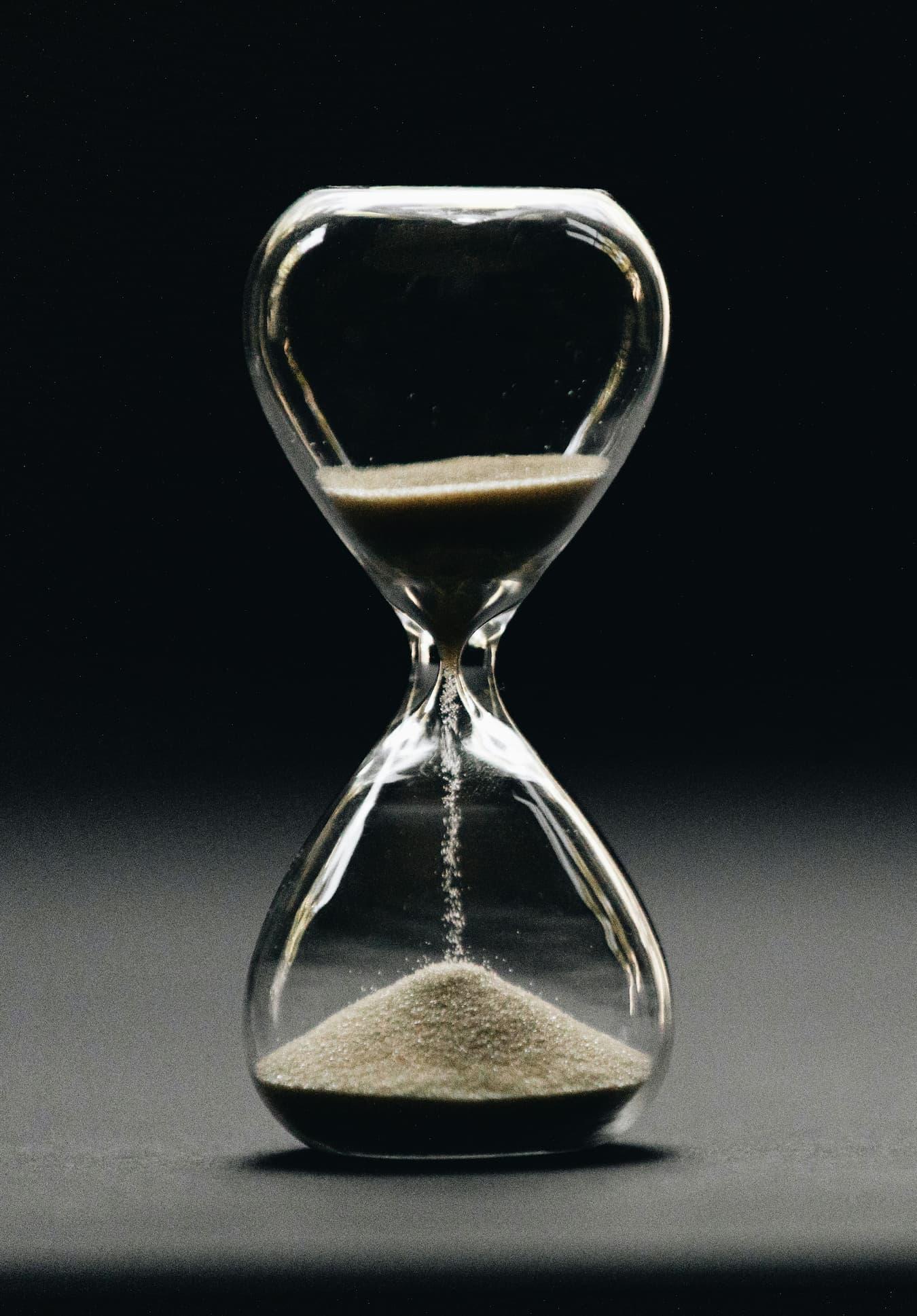
You remember summer holidays lasting forever? Three weeks felt like a small lifetime. Now you blink, somebody mentions Christmas plans, and somehow it's October. Your brain didn't suddenly break. It just started measuring time in a very strange way.
1. Your Brain Uses Comparison, Not a Stopwatch
When you're five years old, one year equals 20% of your entire life. When you're 30, that same year equals about 3%. Your brain doesn't experience time like a clock on the wall. It compares new chunks of time against all the time you've already lived. That's why one school year felt enormous as a kid and one work year now feels suspiciously short.
2. Routine Compresses Your Memories
Your brain loves efficiency. If Tuesday looked exactly like Monday, and Wednesday looked exactly like Tuesday, your brain stops storing every detail. Later, when you look back, whole months seem tiny because your memory kept fewer markers. Think about lockdown periods. Many people remember them as both endless and strangely blurred because routine flattened everything into one giant copy-paste.
3. New Experiences Create More Mental Footage
Ever noticed how a vacation week feels longer than a normal work week? That's because novelty forces your brain to pay attention. New restaurants, unfamiliar streets, awkward attempts to order coffee in another language, all create extra memory points. You don't actually experience time slower in the moment. But later, your brain looks back and sees a fuller highlight reel.
4. Your Brain Edits Out Repetition
You don't remember brushing your teeth last Tuesday. Or the Tuesday before that. Your brain treats repeated actions like background software running quietly. This saves energy, but it creates a weird side effect. The more repetitive your days become, the less raw material your memory keeps. Less memory often feels like less time, even when the hours stayed exactly the same.
5. Adults Stop Learning Huge Amounts of New Stuff
Children constantly learn ridiculous amounts every day. New words. New rules. New social disasters. New ways to injure themselves on playground equipment. Adults still learn, but usually at a slower pace. Because learning creates stronger memory formation, childhood ends up packed with mental landmarks while adulthood often turns into longer stretches of familiar terrain.
6. Stress Can Warp Time Both Ways
Stress makes time weird. During a car accident, five seconds can feel endless. During a stressful month at work, four weeks can disappear instantly. Chronic stress pushes your brain toward survival mode where you focus more on immediate problems and less on building rich memories. You stay busy, overloaded, and then wonder where the entire season went.
7. Digital Life Quietly Eats Memory Markers
Your phone gives you thousands of tiny experiences every day, but many look almost identical. Scroll. Swipe. Refresh. Repeat. Social feeds create activity without much distinctiveness. You can spend two hours consuming hundreds of videos and struggle to remember three of them tomorrow. Your brain treats lots of digital input like wallpaper instead of meaningful events.
8. Your Internal Clock Changes With Age
Scientists think your brain's timing systems may actually shift as you age. Some researchers suspect changes in dopamine, attention, and processing speed affect how quickly your brain samples information. Here's the weird part: when your brain processes fewer fresh details per moment, time can feel like it speeds up. Less information sometimes means less perceived duration.
9. Looking Back Creates an Illusion
You judge how long something felt partly by checking your memories afterward. That's where the trick happens. A boring month packed with routine creates fewer memorable moments, so your brain compresses it. A chaotic month full of weddings, moves, travel, and disasters expands in memory. Your feeling about time often comes after the experience, not during it.
10. You Can Actually Slow It Down, Sort Of
You probably can't force time to move slower. You can trick your brain into recording more of it. Try new routes. Learn something difficult. Change small habits. Eat somewhere unfamiliar. Even tiny disruptions matter. One study trick people mention: take photos less often. Constant photographing sometimes shifts attention away from forming stronger memories yourself.
Your calendar won't suddenly slow down. But your memory controls more of your time experience than most people realize. Share this with somebody who still insists summers were objectively longer back then.

Craig Anderson
Author at SofaBreak — writing on facts and everyday curiosities.