The Unexpected Origins of Words You Say Every Single Day
Some words feel so ordinary that you stop noticing them. Then you find out one came from sword wounds, another started as horse gossip

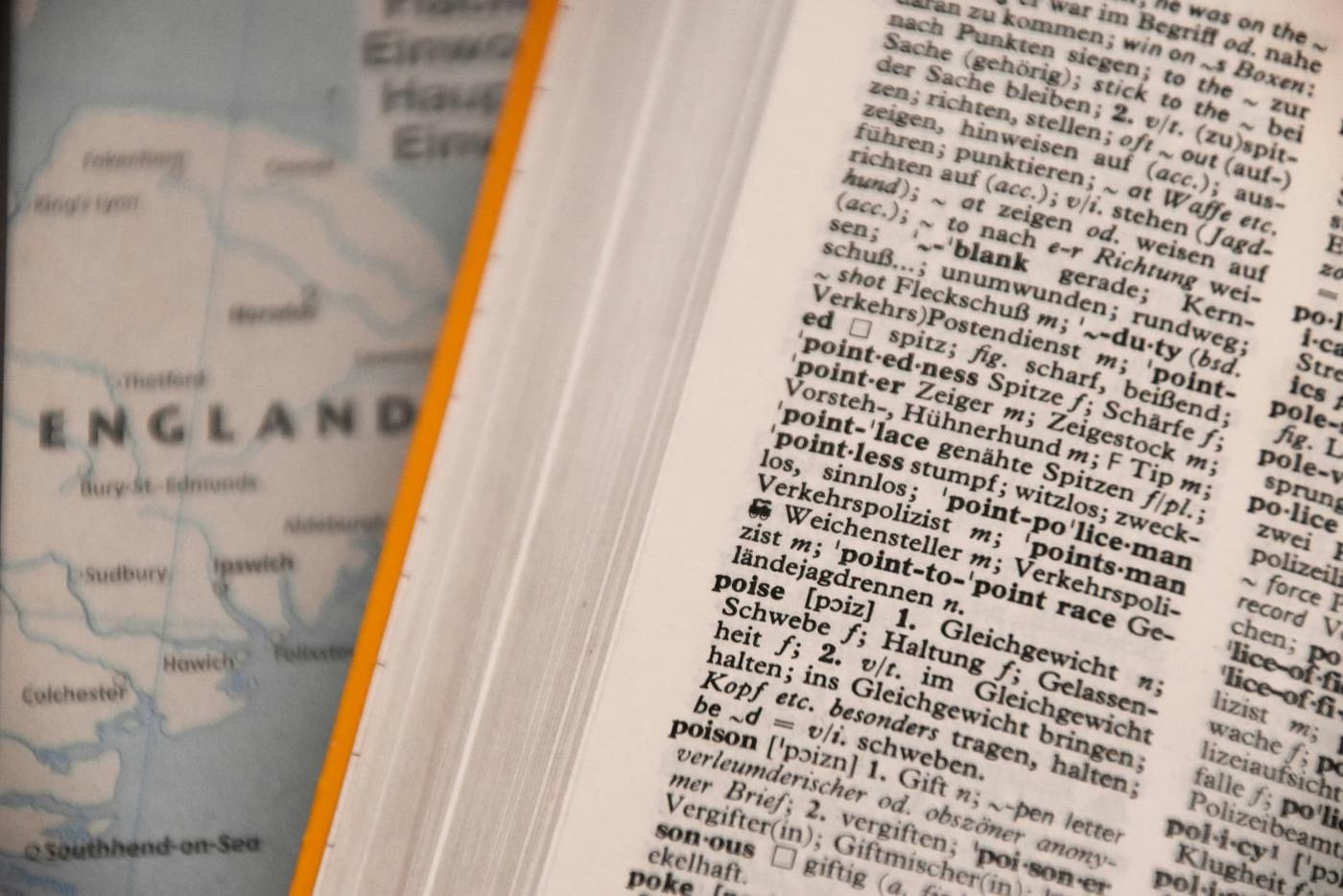
Some words feel so ordinary that you stop noticing them. Then you find out one came from sword wounds, another started as horse gossip, and one used to describe actual pieces of wood. Language hides weird little time capsules in plain sight. You just need to know where to look.
1. "Salary" used to mean salt money
You probably don't think about seasoning when payday arrives, but the word "salary" traces back to the Latin word salarium, linked to salt. People often repeat the story that Roman soldiers got paid directly in salt. That part probably isn't true. The stranger detail? Salt mattered so much that roads, taxes, and trade networks grew around moving the stuff from place to place.
2. "Clue" started as a ball of string
If you say "give me a clue," you're accidentally talking about yarn. The word comes from "clew," which meant a ball of thread or string. That links back to the Greek myth of Theseus escaping the Minotaur's maze by following thread left behind. People slowly shifted the meaning from literal string to anything that helps you find your way out of confusion.
3. "Nice" used to mean the opposite of nice
Calling someone nice sounds safe. A thousand years ago, maybe not. The word came from Latin roots meaning ignorant or foolish, then wandered through meanings like silly, awkward, wasteful, and fussy before settling into today's friendlier version. Few words changed personality this dramatically. Imagine hearing someone call you nice in the 1300s and taking it as an insult.
4. "Muscle" means little mouse
This one feels impossible until you picture it. Ancient Romans noticed muscles moving under skin looked like tiny creatures running around. So they used musculus, which means little mouse. That image stuck. Now every time you talk about building muscle, you're technically talking about strengthening your collection of invisible mice.
5. "Window" means wind eye
You look through windows every day without realizing you're using old Norse architecture vocabulary. The word combines terms for wind and eye, which created the idea of an opening that lets air and light enter. Early windows rarely involved glass. Many people covered openings with animal skin, cloth, or shutters instead. Your living room once counted as cutting-edge airflow technology.
6. "Robot" comes from forced labor
The word robot sounds futuristic, but it only entered English in the 1920s through a play written by Czech writer Karel Čapek. The source word, robota, referred to forced work or labor owed by peasants. So every time someone jokes that email turned them into a robot, the original meaning actually sits much closer than you'd expect.
7. "Gossip" used to mean close friend
This one changed fast and got weird. Old English speakers used "godsibb" for someone connected through baptism, basically a godparent or trusted family friend. Over time, the meaning drifted toward close companions who chatted often. Eventually people focused less on the friendship part and more on the talking part. Congratulations, centuries of social dynamics changed one word completely.
8. "Deadline" came from actual lines people feared
You probably use deadlines daily without imagining prison camps. During the American Civil War, guards sometimes marked physical boundaries around prisoner areas. Cross the line, and consequences could turn deadly. The phrase survived long after the camps disappeared. Now the scariest thing crossing a deadline usually means is another Slack notification.
9. "Candidate" originally meant very white clothing
Ancient politicians loved visual branding. The word candidate comes from Latin candidatus, meaning dressed in white. People running for office wore bright white togas to appear honest, clean, and trustworthy. So yes, campaign image management existed thousands of years before social media managers and carefully lit profile pictures.
10. "Broadcast" belonged to farmers first
Before television, radio, podcasts, and livestreams, broadcast described throwing seeds by hand across a wide area. Farmers literally cast seed broadly across fields. When radio arrived, the metaphor fit perfectly because signals spread outward in every direction. Every time you hear someone talk about broadcasting content, you're using old farming language without noticing.
Words rarely stay where they start. They wander, pick up baggage, change personalities, and somehow end up sitting inside your group chats and grocery lists. Share this with someone who thinks language class was boring, because number four alone deserves an explanation.

Jude Archer
Author at SofaBreak — writing on facts and everyday curiosities.