Why Dreams Are Getting Stranger for an Entire Generation
Something odd has happened to our dreams. People who barely remembered them a decade ago now wake up with stories that sound like rejected episodes of Black Mirror:

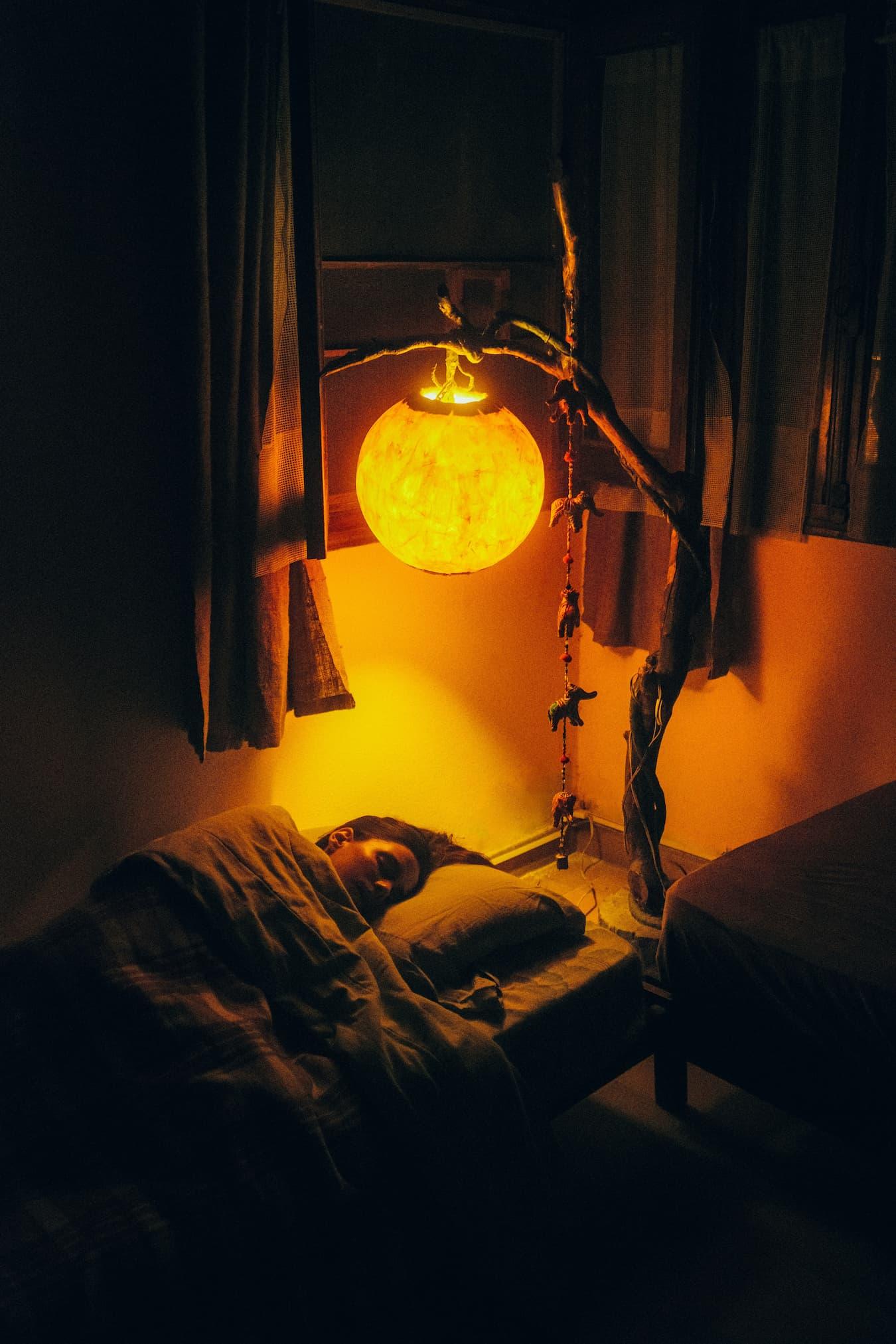
Something odd has happened to our dreams. People who barely remembered them a decade ago now wake up with stories that sound like rejected episodes of Black Mirror: missing flights to cities that don't exist, conversations with childhood friends inside endless shopping malls, teeth falling out while a phone keeps ringing in the background.
And it isn't just your imagination. A mix of stress, technology, sleep habits, and even global events may have turned an entire generation into accidental dream directors. The strange part? Scientists can actually explain pieces of it.
Your Brain Loves Unfinished Business
Dreams often pull from whatever your brain hasn't neatly filed away. That means awkward texts, looming deadlines, half-watched TV shows, and arguments you replay in the shower can all show up after bedtime. Adults today juggle a constant stream of loose ends. Your brain doesn't clock out when you do. Instead, it grabs scraps of unfinished thoughts and stitches them into bizarre nighttime plots that somehow feel emotionally real.
2. Stress Makes Dreams More Intense
You probably don't need a researcher to tell you modern life feels stressful. Financial pressure, career uncertainty, and endless notifications keep your nervous system buzzing. During periods of stress, people often report more vivid dreams and nightmares. The unexpected detail is that your sleeping brain may rehearse threats as practice runs, almost like a strange overnight simulation designed to help you prepare for future challenges.
3. Social Media Floods Your Mental Inbox
Previous generations didn't consume hundreds of faces, opinions, jokes, and tragedies before bed. You do. Scrolling through videos of cooking hacks, celebrity drama, vacation photos, and world events gives your brain an enormous pile of material to process. That random influencer you forgot existed by lunchtime might suddenly appear in your dreams, offering life advice while riding a dolphin through your old high school.
4. You Remember Dreams More Than You Think
Many people claim they never dream. They almost certainly do. The difference lies in recall. If you wake during certain sleep stages, you're more likely to remember dream details. Modern sleep patterns often involve interruptions from alarms, pets, partners, or checking your phone at 3 a.m. Those brief awakenings increase the chances you'll carry fragments of strange dream stories into the daylight.
5. The Pandemic Changed Dreaming Habits
During lockdowns, people around the world described unusually vivid dreams. Researchers even gave the trend a nickname: "pandemic dreams." Isolation, disrupted routines, and collective uncertainty created perfect conditions for memorable nighttime experiences. Some people dreamed about insects invading homes. Others reported crowded parties they couldn't attend. Shared events can shape private dreams in ways that feel eerie once you notice the pattern.
6. Your Brain Borrows From Entertainment
Binge-watching doesn't stop at the credits. Movies, games, podcasts, and television can sneak directly into your dream life. After spending ten hours exploring fantasy worlds or solving fictional crimes, your brain sometimes repurposes those settings overnight. That's why you might dream about attending a work meeting hosted by superheroes or trying to survive a zombie apocalypse with your college roommates.
7. Sleep Schedules Keep Getting Weird
Shift work, late-night streaming, and flexible schedules have changed when people sleep. Irregular sleep patterns can affect REM sleep, the stage most closely linked with vivid dreaming. Sleeping in after a rough week may actually increase REM activity. That's one reason weekend dreams sometimes feel especially detailed. You aren't suddenly more creative. Your brain simply spends more time in dream-friendly territory.
8. Anxiety Loves Symbolism
Dreams rarely communicate in straightforward ways. Instead of dreaming about unpaid bills, you might dream about showing up naked to an important presentation or losing your passport before boarding a plane. Anxiety often disguises itself through symbols. The strange images stick with you because they package emotional truths inside absurd scenarios, creating stories that feel both ridiculous and deeply personal.
9. Your Brain Wants to Make Sense of Chaos
Humans crave patterns. Even while you sleep, your brain searches for meaning in the day's experiences. It experiments with possibilities, connections, and emotional reactions. Sometimes that process produces useful insights. Sometimes it creates a dream where your dentist becomes your boss and assigns homework to your childhood dog. Your sleeping mind values emotional logic over actual logic, and that's where things get weird.
10. Strange Dreams Might Be Completely Normal
The biggest surprise may be this: unusual dreams don't automatically signal that something has gone wrong. Dreams have always been strange. You simply talk about them more openly now. Podcasts discuss them. Social media turns them into jokes. Friends compare notes over brunch. Once you realize other people dream about impossible elevators and endless exams too, your own nighttime adventures feel a lot less alarming.
Dreams still keep plenty of secrets. But their growing weirdness may say less about broken brains and more about the complicated world we carry around every waking hour. Share this with someone who swears they had a completely normal dream last night. They probably didn't.

James Roberts
Author at SofaBreak — writing on facts and everyday curiosities.