Why Foods Taste Completely Different Depending on What You Ate Before
The weirdest part about taste isn't that some people love olives while others hate them. It's that the exact same food can taste completely different to you depending on what happened five minutes earlier.

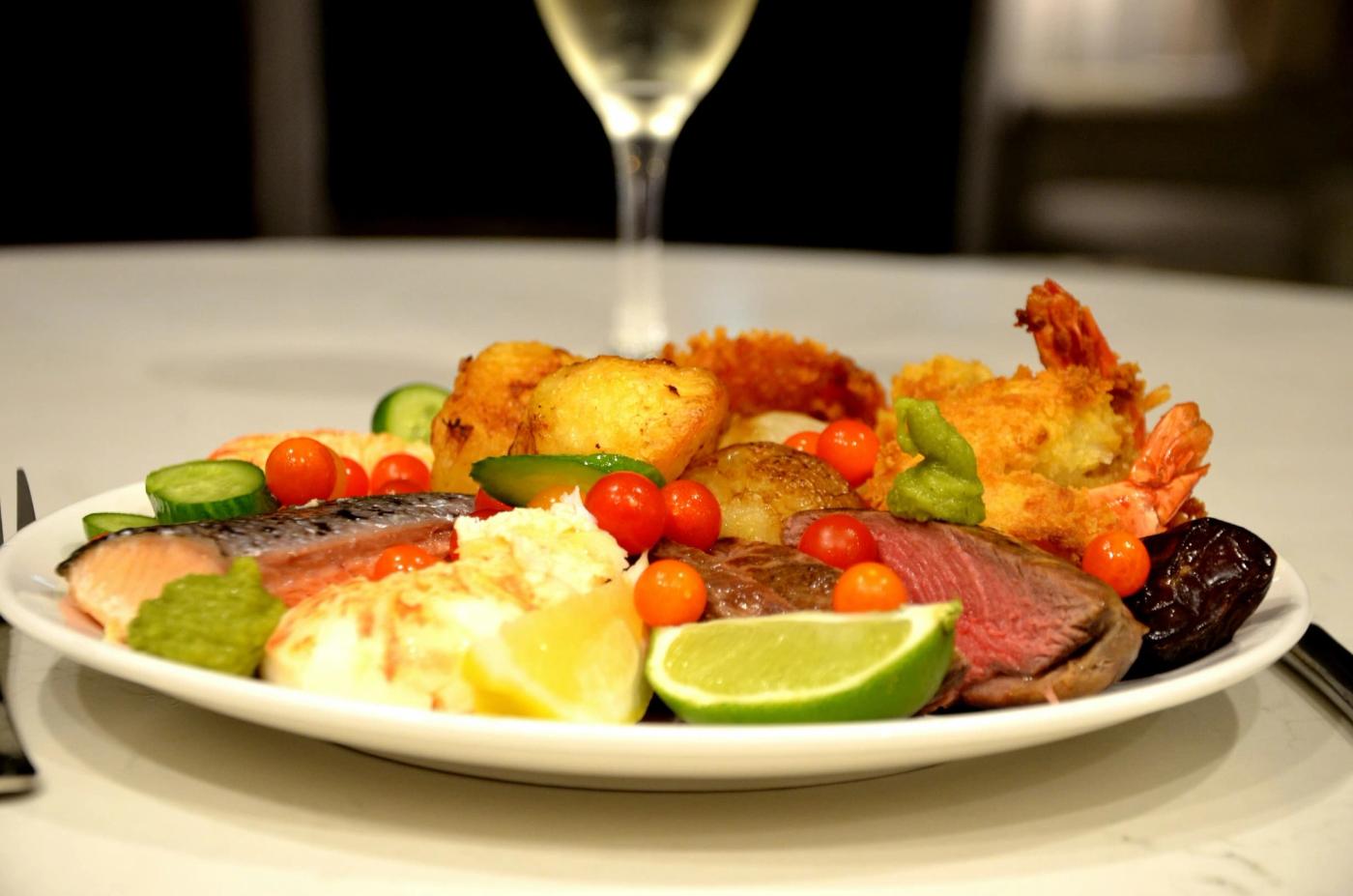
The weirdest part about taste isn't that some people love olives while others hate them. It's that the exact same food can taste completely different to you depending on what happened five minutes earlier. Your tongue keeps score, your brain fills in gaps, and your last snack quietly rewrites your next bite.
1. Sweet Foods Can Make Everything Else Taste Bland
Ever notice how fruit tastes less exciting after dessert? That's because your sweet receptors adapt quickly. After a sugary treat, foods with milder sweetness barely register. An apple that tasted juicy and vibrant before a slice of cake can suddenly seem disappointingly ordinary. That's one reason breakfast cereal companies pack in so much sugar. Once your taste buds adjust upward, subtle flavors struggle to compete.
2. Coffee Can Hijack Your Sense of Taste
That morning coffee doesn't just wake you up. It changes how you experience whatever comes next. Coffee's bitterness can temporarily dull your sensitivity to sweet flavors, making pastries seem less sugary than they actually are. Some coffee professionals even avoid strongly flavored foods before tastings. And yes, that expensive chocolate bar may taste completely different depending on whether you ate it before or after your latte.
3. Spicy Foods Rewrite the Rules
Chili peppers don't technically create a taste at all. Capsaicin triggers pain receptors that detect heat, convincing your brain that your mouth faces a tiny emergency. After spicy food, other sensations shift around. Sweet foods can feel extra soothing, while delicate flavors disappear into the background. That's partly why mango, pineapple, and yogurt pair so well with spicy dishes. Your brain craves relief and rewards it.
4. Temperature Changes Everything
Ice cream after hot soup doesn't taste quite right, and your tongue plays a big role in that mismatch. Temperature affects how strongly you perceive flavors. Cold foods mute sweetness and aroma, while warmer foods release more flavor compounds into the air. That's why melted ice cream often tastes sweeter than frozen ice cream. The flavor didn't change. Your ability to detect it did.
5. Your Brain Loves Contrast
You don't judge food in isolation. You compare it to whatever came before. A mildly salty cracker tastes much saltier after plain rice than after potato chips. The same principle drives optical illusions. Your senses focus on differences rather than absolutes. Restaurant tasting menus often arrange dishes carefully for this reason. Chefs aren't just planning flavors. They're planning the sequence of surprises.
6. Acid Can Reset Your Palate
Pickled ginger earned its sushi-sidekick status for a reason. Acidity cuts through lingering flavors and refreshes your palate between bites. Lemon sorbet sometimes appears between rich courses in formal meals for the same purpose. Acid grabs your attention and clears away sensory leftovers. That's why a squeeze of lemon can make seafood feel brighter, even though it doesn't magically add more flavor.
7. Smell Carries Most of the Work
You probably think your tongue does the heavy lifting. Your nose would like some credit. Much of what you call taste actually comes from aroma molecules traveling from your mouth to your nasal passages. Strong-smelling foods can linger and influence whatever follows. Garlic bread before a delicate white wine isn't always the best idea. Your nose may still focus on the garlic.
8. Fat Leaves a Flavor Memory
Rich foods coat your mouth in ways that leaner foods don't. Butter, cheese, peanut butter, and creamy sauces leave behind tiny traces that continue interacting with your taste receptors. After a heavy meal, lighter foods can seem thin or watery by comparison. That lingering richness also explains why sparkling water often feels so refreshing. The bubbles help sweep away some of that sensory residue.
9. Expectations Change What You Taste
Your brain doesn't wait politely for information from your tongue. It predicts what should happen and nudges your experience in that direction. If you expect something sweet and get something savory, the surprise can make the flavor seem stronger or stranger. Studies have shown that labels, colors, and even price tags shape taste perceptions. Expensive wine really can seem better, even when it isn't.
10. Hunger Turns Up the Volume
Food tastes different when you're genuinely hungry. Your brain increases the reward value of eating, making flavors feel more satisfying and intense. That's why a simple sandwich can taste incredible after a long day, while the same sandwich barely registers after a huge meal. The unexpected detail? Research suggests hunger can sharpen your sensitivity to certain smells too, helping you seek out food more efficiently.
The next time a meal tastes "off," don't blame the chef too quickly. Your previous bite may have rewritten the experience before the fork even reached your mouth. Share this with someone who insists they have an infallible palate, then watch them rethink their next snack.

Mia Carter
Author at SofaBreak — writing on facts and everyday curiosities.