Why Identical Twins Are Never Actually Identical
Most people picture identical twins as nature’s copy-and-paste feature. Same face, same DNA, same everything.

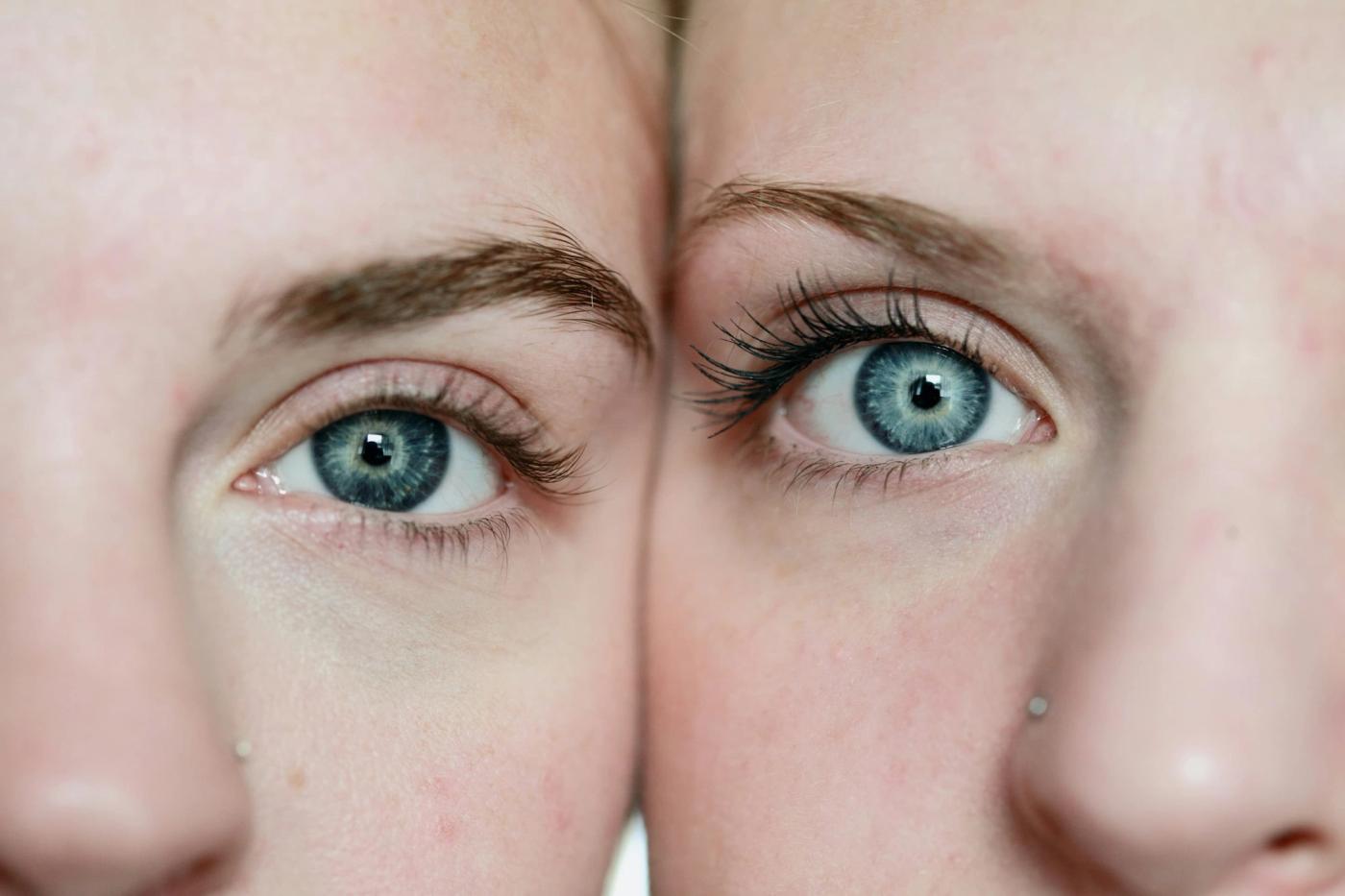
Most people picture identical twins as nature’s copy-and-paste feature. Same face, same DNA, same everything. But the closer scientists look, the stranger the story gets. Even twins who start life from the same fertilized egg end up carrying tiny differences that make each one completely unique.
1. Their DNA Starts Changing Before They're Born
Identical twins begin with the same genetic blueprint, but that doesn't last long. As cells divide, small mutations pop up naturally. Some happen so early that one twin ends up carrying genetic changes the other never gets. Researchers have found that adult identical twins can differ by dozens of mutations. That's a tiny fraction of their DNA, but enough to prove they aren't exact biological copies from day one.
2. Fingerprints Never Match
You can spot one of the clearest differences right on their hands. Identical twins share genes that influence fingerprint patterns, but fingerprints also depend on random events inside the womb. Tiny variations in pressure, position, and amniotic fluid shape the ridges as they form. That's why no pair of twins, no matter how similar they look, has ever produced identical fingerprints. Even the FBI treats them as completely separate identifiers.
3. They Don't Always Look Exactly Alike
You've probably seen twins who seem impossible to tell apart. Give it a few years. One may develop a slightly different jawline, gain weight differently, or age faster. Sun exposure, diet, exercise, stress, and even sleeping habits leave visible marks over time. Some twins become so different that friends stop confusing them altogether. One famous pair of British twins ended up with noticeably different skin aging simply because one smoked and the other didn't.
4. Their Brains Develop Differently
Genes help build the brain, but they don't control every detail. During development, billions of neural connections form through a mix of genetic instructions and random biological events. Brain scans often reveal subtle structural differences between identical twins. One twin may process information slightly faster, while the other develops stronger spatial skills. They share a starting point, but their brains don't follow identical construction plans.
5. One Can Get a Disease While the Other Doesn't
This surprises a lot of people. If identical twins share nearly all their DNA, shouldn't they share the same illnesses? Not always. Researchers regularly find twin pairs where one develops conditions such as multiple sclerosis, Parkinson's disease, or certain cancers while the other remains healthy. Environmental exposures, lifestyle choices, infections, and random cellular changes all influence disease risk. Genes load the dice, but they don't decide every outcome.
6. Their Personalities Drift Apart
Parents often notice personality differences long before anyone else does. One twin becomes outgoing while the other stays reserved. One loves risk, the other avoids it. Shared DNA creates similar tendencies, but life keeps pulling each person in different directions. Different teachers, friend groups, hobbies, and experiences shape behavior over time. Even twins raised in the same home often describe themselves as complete opposites by adulthood.
7. Their Immune Systems Build Different Histories
Your immune system acts like a biological scrapbook. Every cold, stomach bug, allergy trigger, and infection leaves a record. Because twins rarely experience exactly the same exposures, their immune systems slowly diverge. Scientists studying adult twins have found major differences in immune responses despite nearly identical genetics. One twin might shrug off a virus that leaves the other miserable in bed for a week.
8. They Can Have Different Birthmarks
Many people assume identical twins share every visible feature. Birthmarks prove otherwise. Some twins have moles, freckles, or patches of pigmentation that appear on only one sibling. These marks often develop through random processes during fetal growth rather than direct genetic instructions. In some cases, a distinctive birthmark becomes the easiest way for parents to tell newborn twins apart before their personalities start shining through.
9. Their Epigenetics Change the Instructions
Think of DNA as a recipe book. Epigenetics works more like sticky notes attached to the pages, telling the body which instructions to use more often and which to ignore. Diet, stress, pollution, exercise, and everyday experiences can alter these chemical markers. Young twins usually show very similar epigenetic patterns, but older twins often display dramatic differences. Their genes stay mostly the same while their bodies read those genes differently.
10. They Experience Luck Differently
Some differences come down to pure chance. A random injury, a chance meeting, an unexpected opportunity, or a split-second decision can send two lives in completely different directions. Identical twins often start with the most similar circumstances imaginable, yet many end up with different careers, relationships, interests, and beliefs. Biology matters, but luck keeps rewriting the story. That's one reason twin studies remain so useful and so humbling.
The idea of an identical twin sounds simple until you zoom in. The deeper you look, the more individuality you find. Share this with someone who still thinks identical twins are nature's exact duplicates.

Devon Walker
Author at SofaBreak — writing on facts and everyday curiosities.