Why Optical Illusions Reveal More About Your Brain Than an IQ Test
Your brain lies to you all day long. That's not a flaw. It's how you make it through life without collapsing under the weight of every sound, shadow, and tiny detail around you.

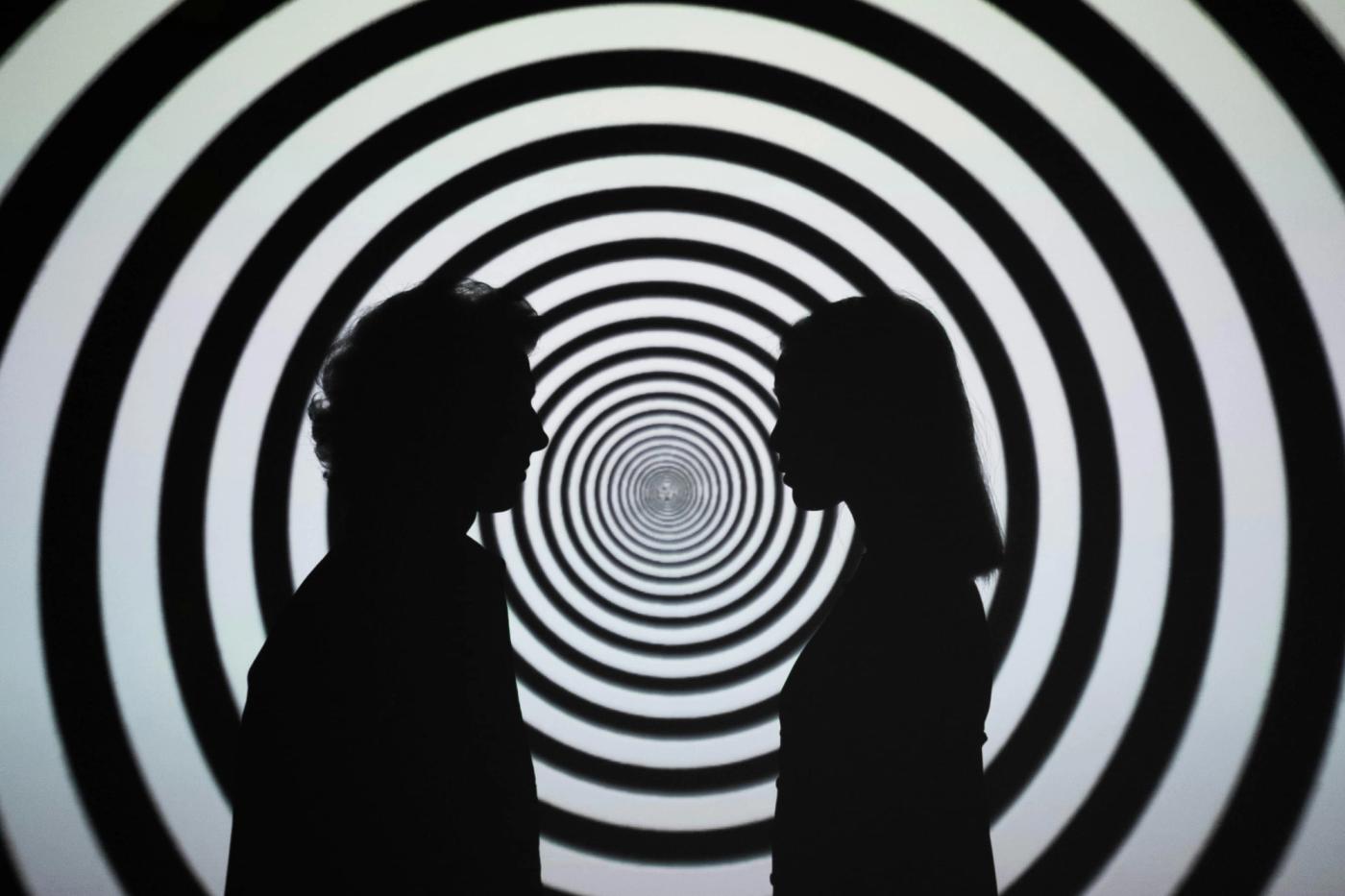
Your brain lies to you all day long. That's not a flaw. It's how you make it through life without collapsing under the weight of every sound, shadow, and tiny detail around you.
Optical illusions expose those shortcuts in real time. And unlike an IQ test, which measures how well you solve a specific set of problems, illusions show you how your brain builds reality from incomplete information.
1. Your Brain Guesses More Than You Think
You don't see the world exactly as it exists. You see your brain's best prediction of it. Optical illusions reveal that process because they trick the mind into filling gaps before your conscious thoughts catch up.
Take the famous checker shadow illusion. Two squares that look different in color can actually be identical shades of gray. Your brain adjusts for lighting automatically, and most of the time that shortcut helps you. Occasionally, it makes you look very wrong.
2. Speed Often Beats Accuracy
Your brain evolved for survival, not perfection. Thousands of years ago, noticing movement in the bushes mattered more than carefully analyzing every visual detail.
Optical illusions expose that trade-off. You make rapid judgments based on patterns you've seen before, even when those patterns mislead you. An IQ test rewards deliberate thinking. Illusions reveal what happens before you even realize you've made a choice.
3. Expectation Shapes Reality
You don't arrive at every situation with a blank slate. Past experiences quietly influence what you notice and what you ignore.
That's why some people spot hidden images immediately while others stare in confusion. Your expectations prime your brain to recognize familiar patterns. One unexpected detail: experts in certain fields often fall for specialized illusions because their training nudges them toward predictable assumptions.
4. Attention Has Strict Limits
You probably think you'd notice something obvious happening right in front of you. Your brain disagrees.
Experiments involving "inattentional blindness" show that people can miss startling events while focusing on another task. In one famous example, participants counting basketball passes failed to notice someone in a gorilla suit walking across the screen. Optical tricks remind you that attention works more like a flashlight than a floodlight.
5. Confidence Doesn't Equal Correctness
Few things feel more convincing than your own eyes. That's exactly why illusions unsettle people.
You can feel completely certain about what you're seeing and still get fooled. That gap between confidence and accuracy tells researchers something valuable about decision-making. It also explains why eyewitness testimony, despite sounding persuasive, doesn't always reflect reality as cleanly as we'd hope.
6. Your Personality Might Influence What You Notice
Remember the internet argument over "the dress"? Some people swore it looked blue and black. Others saw white and gold.
Part of that disagreement came from assumptions about lighting conditions. But researchers also found hints that sleep habits, age, and daily routines shaped perception. Your visual experience isn't identical to everyone else's, which means your brain carries its own subtle signature.
7. Creativity Loves Ambiguity
Some illusions present two possible interpretations at once. You might see a vase, then two faces. An old woman, then a young woman.
Switching between those perspectives requires mental flexibility. Researchers often connect that flexibility with creative thinking because it reflects a willingness to abandon an initial answer. Your smartest moments sometimes begin with admitting that your first impression wasn't the only possibility.
8. Stress Changes How You See
Your emotional state influences perception more than most people realize.
Under pressure, your brain prioritizes efficiency. You rely more heavily on shortcuts and familiar interpretations because careful analysis takes energy. Some studies suggest anxious people process ambiguous information differently, paying closer attention to potential threats. Even your mood can change how you interpret the same visual puzzle.
9. IQ Tests Capture Only One Slice of Intelligence
IQ tests measure useful abilities like pattern recognition, reasoning, and working memory. But they don't capture the full complexity of how your mind operates.
Optical illusions highlight perception, adaptability, attention, and unconscious processing. Those skills shape your daily life constantly. You use them while driving, reading social cues, and navigating crowded spaces. Intelligence turns out to involve more moving parts than a single score suggests.
10. Being Wrong Is a Feature, Not a Bug
Nobody likes getting fooled. But illusions reveal something strangely reassuring.
Your brain makes educated guesses because waiting for perfect information would slow you down. Most of those guesses work brilliantly. The occasional mistake reflects a system optimized for speed and survival, not flawless accuracy. In other words, falling for an illusion doesn't mean your brain failed. It means your brain is doing exactly what evolution designed it to do.
The next time an optical illusion makes you squint at your phone and question your eyesight, remember that you're watching your brain think out loud. Share this with someone who insists they'd never fall for one, then enjoy proving them wrong.

Craig Anderson
Author at SofaBreak — writing on facts and everyday curiosities.