Why the Way You Walk Reveals More Than You Realise
You probably think your walk only matters if you're trying to get somewhere. But every step tells a story, and your brain, muscles, emotions, and even your age leave tiny clues in the way you move.

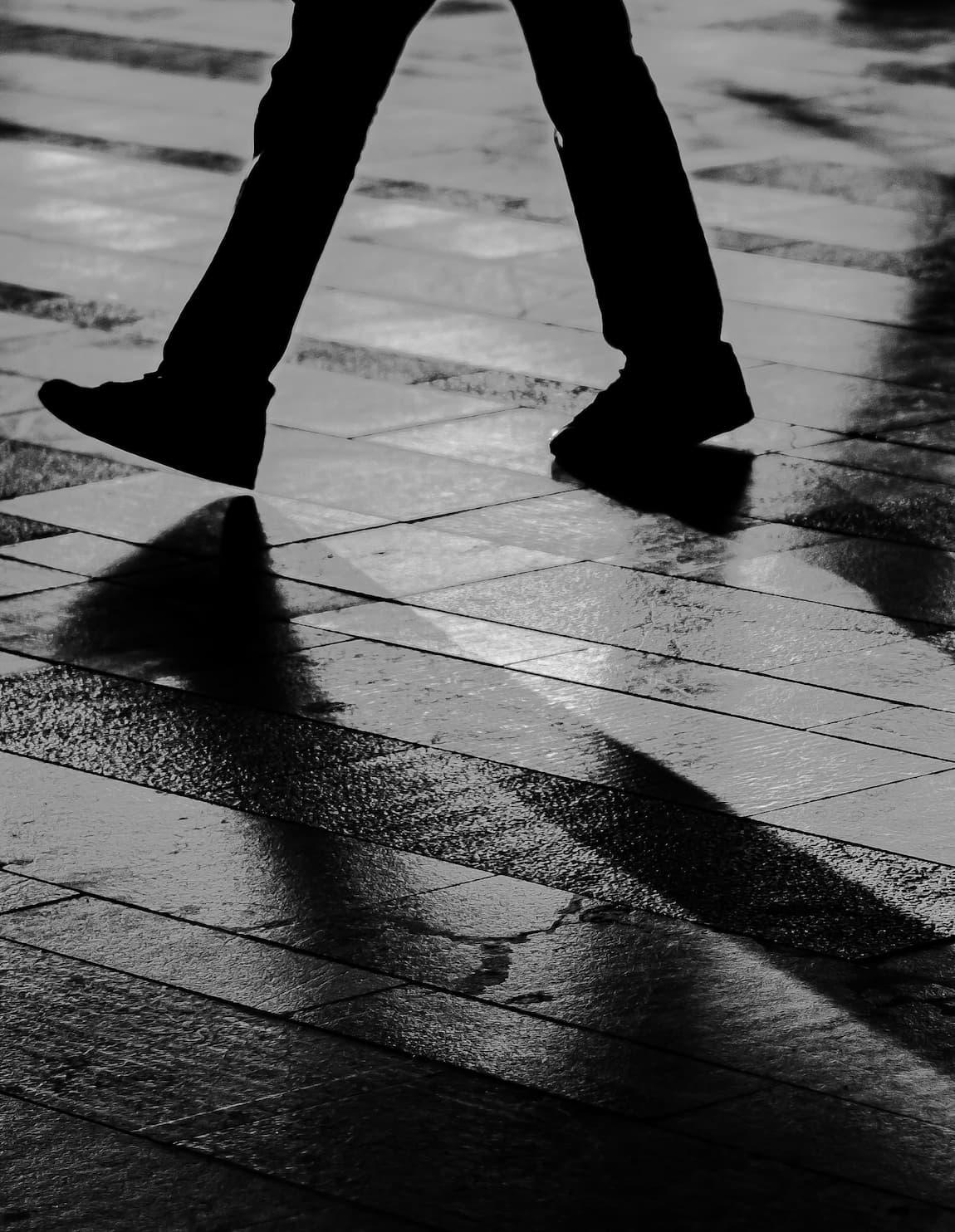
You probably think your walk only matters if you're trying to get somewhere. But every step tells a story, and your brain, muscles, emotions, and even your age leave tiny clues in the way you move. Once you know what to look for, you'll never watch someone cross the street in quite the same way again.
1. Your Speed Says More Than Your Fitness
The pace you naturally choose can reveal far more than how often you hit the gym. Researchers have linked walking speed to overall health, confidence, and even how your brain processes information as you age. The strange part? Most people settle into a comfortable speed without thinking about it. You don't consciously pick your pace, your body quietly does it for you based on hundreds of tiny signals.
2. Your Arms Do More Than Keep Balance
You probably don't pay much attention to your arms when you walk, but your brain certainly does. Healthy arm swings help your body stay balanced while making every step more efficient. If one arm swings much less than the other, doctors sometimes use that tiny clue when checking for certain neurological conditions. Even before obvious symptoms appear, your arms can hint that something has changed.
3. Stress Changes Your Stride
Bad days don't just stay in your head. They show up in your walk too. When you feel stressed or anxious, your muscles tighten, your shoulders creep upward, and your steps often become shorter and quicker. People watching you may not know why you seem tense, but many will pick up on the feeling without realising it. Your body broadcasts your mood before you say a single word.
4. Your Feet Rarely Point Straight Ahead
Most people imagine perfect walking means placing each foot directly forward. In reality, almost nobody walks like that. Many healthy adults naturally angle their feet slightly outward, creating what's often called a duck-footed stance. A small angle usually causes no problems at all. Your body often finds the position that suits your hips, knees, and ankles better than textbook posture ever could.
5. Friends Start Walking in Sync
Spend enough time beside someone and something odd happens. Without planning it, your footsteps often begin matching each other's rhythm. Scientists have spotted this effect in close friends, couples, and even strangers who spend a few minutes walking together. That shared rhythm may help people feel more connected. Your brain seems to enjoy moving in time with somebody else.
6. Your Walk Can Reveal Your Mood
People can guess whether you're happy, angry, or confident simply by watching your silhouette move across a room. They don't need to see your face. Bigger arm swings, upright posture, and longer steps often signal confidence or excitement, while slower movements and a lowered head suggest sadness or tiredness. Your walk acts like body language that never stops talking.
7. Shoes Quietly Rewrite Your Gait
You don't walk exactly the same in every pair of shoes. Heavy boots encourage a different stride than lightweight trainers, while high heels shift your centre of gravity and force your muscles to work differently. Even cushioned running shoes can change how your feet hit the ground. Swap footwear and your walking style may change within a few steps.
8. Your Brain Plans Every Step Ahead
Walking feels effortless because your brain performs an astonishing amount of work behind the scenes. Every second, it predicts where your feet should land, adjusts for uneven ground, keeps your balance, and coordinates dozens of muscles at once. You only notice this hidden system when something interrupts it, like walking across ice or stepping onto a moving escalator for the first time.
9. Your Walk Changes Before You Notice Ageing
Many people expect ageing to arrive suddenly, but your walk often shifts long before you feel old. Tiny changes in stride length, balance, and rhythm can appear years earlier than you might expect. The encouraging part is that regular movement helps preserve many of these abilities. Staying active doesn't just strengthen muscles, it helps your brain keep coordinating them smoothly.
10. Everyone Has a Walking Fingerprint
Your walk is so distinctive that computers can often identify you from your movement alone. Security researchers call this gait recognition, and it works even when faces stay hidden or blurry. Friends do something similar without thinking. They often recognise you from across a crowded street before they can make out your features. Your steps become part of your identity.
The next time you head to the shops or walk to work, pay attention to the people around you. Every stride carries tiny clues that most of us never notice. Share this with someone who thinks walking is boring, then see if they can ever watch people the same way again.

Craig Anderson
Author at SofaBreak — writing on facts and everyday curiosities.