How to Appreciate Opera Without It Feeling Like an Ordeal
Opera has a reputation problem. You hear “three hours,” “foreign language,” and “people singing instead of talking,” and suddenly staying home looks like the sensible cultural choice.

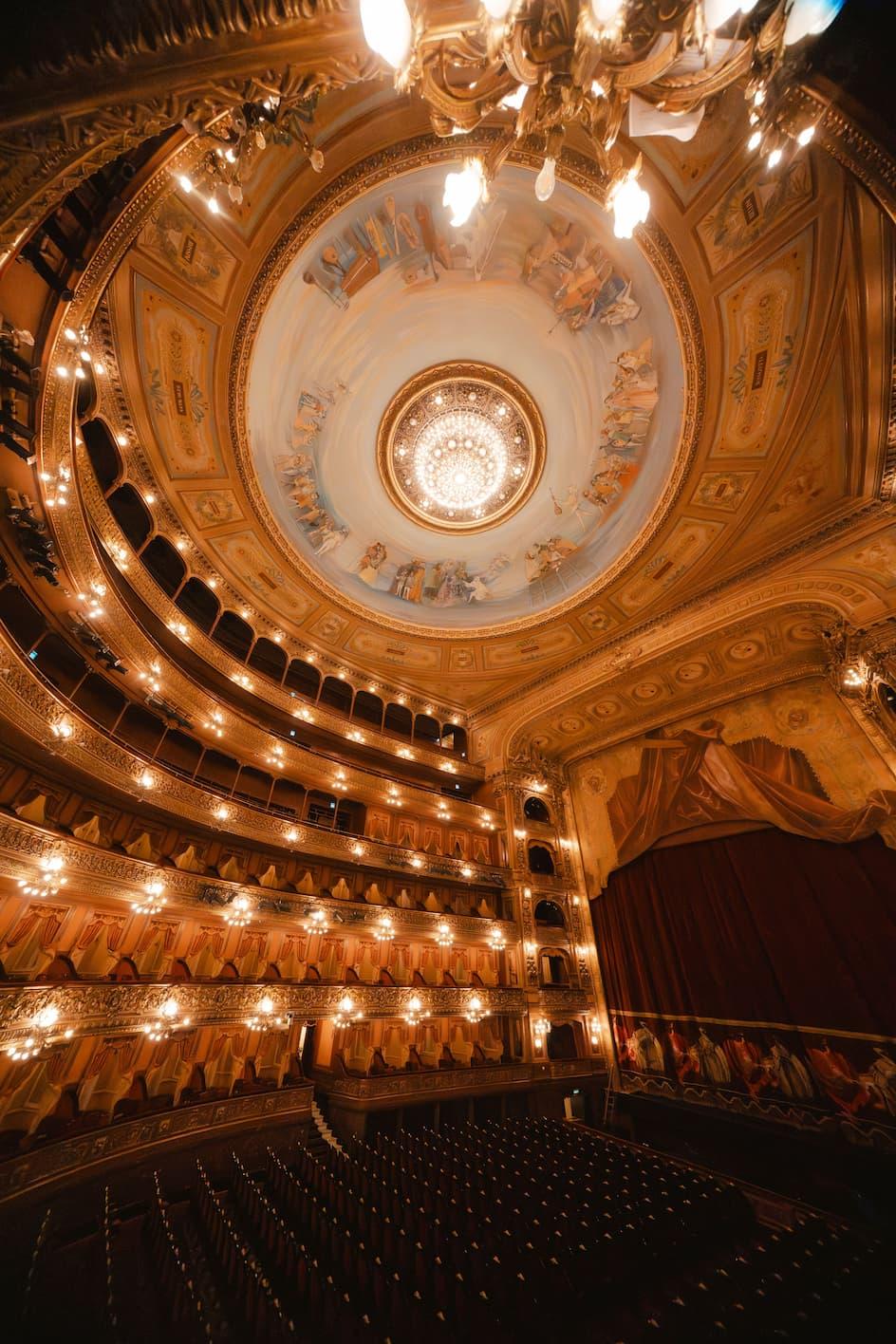
Opera has a reputation problem. You hear “three hours,” “foreign language,” and “people singing instead of talking,” and suddenly staying home looks like the sensible cultural choice. But you can make your first opera dramatically easier by choosing the right show, preparing just enough, and giving yourself permission to enjoy the obvious stuff before worrying about the sophisticated stuff.
Make Your First Opera Easy on Yourself
1. Start With an Opera That Moves
Don’t pick your first opera because somebody told you it’s historically important. Pick one with a clear story, memorable music, and enough action to keep you oriented when you’re still learning how opera works. Carmen, La Bohème, Tosca, and The Magic Flute are strong starting points because their central conflicts are easy to grasp: desire, jealousy, love, danger, revenge. Save the five-hour epics and obscure experimental productions until you know whether you actually want more.
2. Read the Plot Before You Watch
Opera isn’t the place to protect yourself from spoilers. Read a short synopsis beforehand so you know who loves whom, who hates whom, and which terrible decision is about to ruin everybody’s evening. Keep it to five or ten minutes, because you need the basic route through the story rather than a scene-by-scene study session.
Knowing the plot frees you to watch what the performers are doing instead of desperately trying to reconstruct the story from subtitles. If the synopsis says, “She’s pretending not to recognize him,” you can watch the acting, listen to the music change, and notice how the tension builds. You’ve removed one job from your brain.
Pro Tip: Save a short plot summary on your phone before the performance. Check it during the interval if you lose track, rather than spending the second half wondering why everyone suddenly wants to stab the tenor.
3. Listen to Three Pieces Beforehand
Search for three well-known pieces from the opera and listen to each one once or twice before you go. You don’t need to memorize them, learn their Italian titles, or identify which composer influenced whom. You’re simply giving your ears a few landmarks.
When one of those melodies arrives during the performance, you’ll recognize it, and recognition makes unfamiliar music easier to follow. Pay attention to one concrete feature each time: the main melody, the singer’s voice, or what the orchestra does when the mood changes. Ten minutes of listening beforehand can make a three-hour performance feel much less foreign.
Stop Trying to Pass an Invisible Test
4. Use the Subtitles Without Apology
Most modern opera performances provide surtitles or subtitles, usually above or beside the stage, so read them whenever you need them. Don’t stare at every word, though. Glance at the translation, understand the line, then move your eyes back to the performers.
You’ll quickly notice that a singer may spend 30 seconds expressing an idea that takes six words to translate. That extra time is where the acting, orchestration, and vocal performance do their work. Once you understand the sentence, stop reading and watch how the singer makes it land.
5. Listen for Emotion Before Technique
Forget vocal terminology on your first visit. You don’t need to know the difference between coloratura and legato to hear whether somebody sounds furious, terrified, seductive, triumphant, or completely crushed. Choose one singer in each major scene and listen for changes in volume, speed, pitch, and intensity.
Then listen to what happens underneath them. If the orchestra suddenly becomes quieter, harsher, faster, or more chaotic, connect that change to what’s happening onstage. Opera gets easier once you treat the music as part of the storytelling instead of a complicated object you’re supposed to admire correctly.
6. Give Yourself One Thing to Watch
A full opera can throw a lot at you at once: singers, orchestra, costumes, scenery, lighting, subtitles, and an audience that somehow seems to know when clapping is permitted. Don’t try to absorb all of it. During each scene, pick one thing to follow closely.
Watch how two characters physically react to each other, notice when the lighting changes, or listen for a melody returning after you heard it earlier. Switching your focus between scenes keeps your attention active without turning the performance into homework. And if your mind wanders for two minutes, bring it back to whatever is happening now instead of mentally declaring the evening a failure.
Make the Night Comfortable, Not Ceremonial
7. Remove the Practical Irritations
Check the running time before you leave, including the number and approximate length of intervals. Eat beforehand unless you know the venue has food you actually want, use the bathroom before the performance starts, and arrive early enough that you aren’t finding your seat while stressed. Wear something comfortable unless the venue states a dress requirement.
If you’re watching at home, make the same effort in a different way. Put your phone somewhere you can’t automatically grab it, use decent headphones or speakers, and plan a real break at the interval rather than pausing every seven minutes. You’re trying to give the performance a fair chance without making yourself physically miserable.
8. Decide What You Liked Before Reading Opinions
When the performance ends, identify three things: the scene you liked most, the voice you wanted to hear more of, and one moment that bored or confused you. Be specific. “The duet near the end worked for me because the orchestra got quieter” tells you far more about your taste than deciding opera was simply “good” or “not for me.”
Only after that should you read reviews, watch explanations, or compare famous recordings. Your reaction doesn’t need permission from an expert, and you don’t have to admire every celebrated aria. The useful question is whether anything made you want to hear it again.
Common Mistake to Avoid
The biggest beginner mistake is treating opera like a cultural exam you can fail. Don’t spend the performance worrying about when to clap, whether you understood every line, or whether you appreciated the “correct” singer. Follow the story, listen for changes that grab you, and let experienced audience members handle the applause cues. If one scene leaves you cold, wait for the next one instead of deciding you’ve failed to understand the entire art form.
Now you’re ready to choose one accessible opera, learn the plot, recognize a few melodies, and watch without spending the night trying to prove anything. Give one good production your full attention, and you’ll leave knowing whether you want a second one for reasons that are actually your own.

Mia Carter
Author at SofaBreak — writing on guides and everyday curiosities.